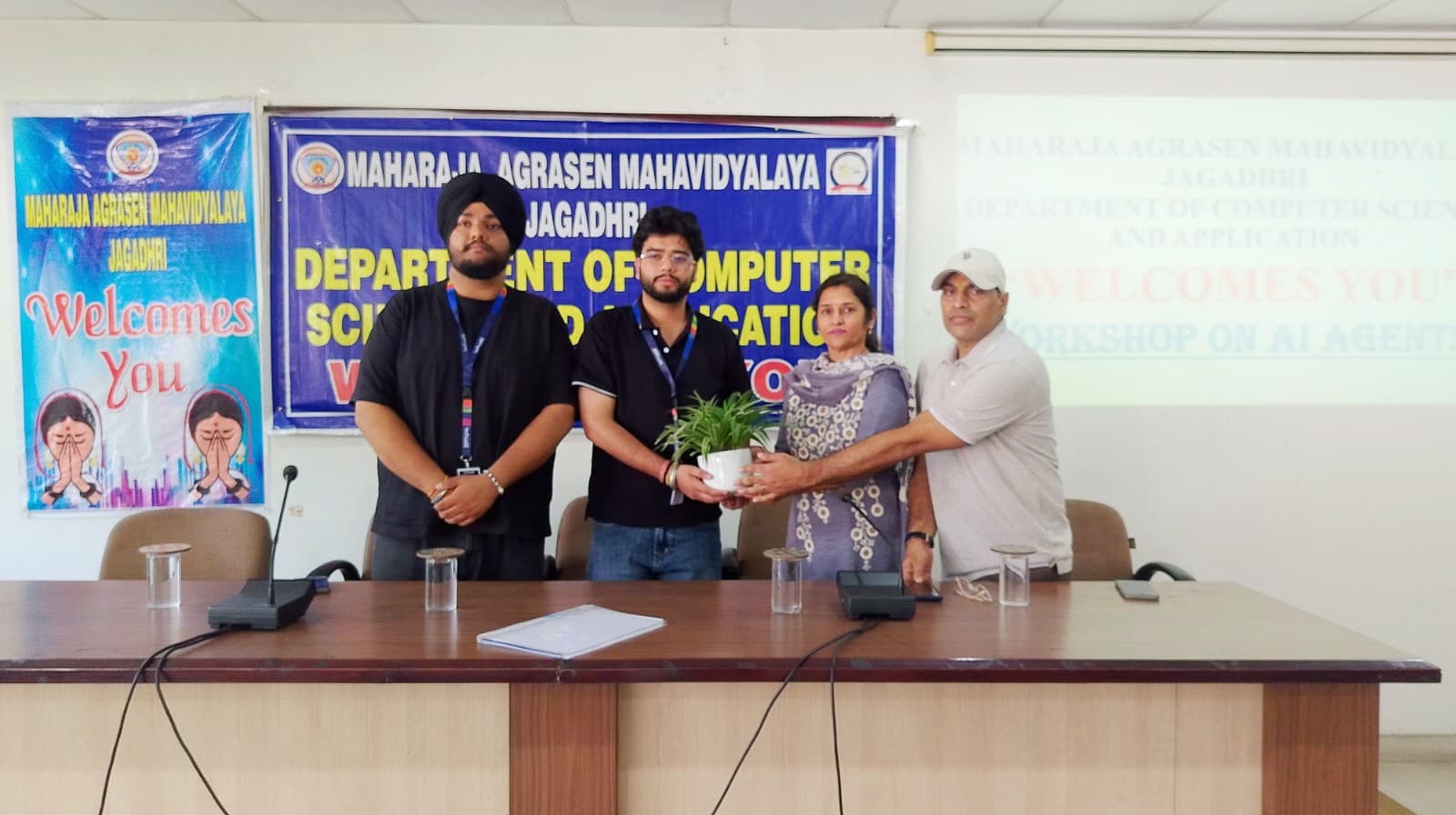
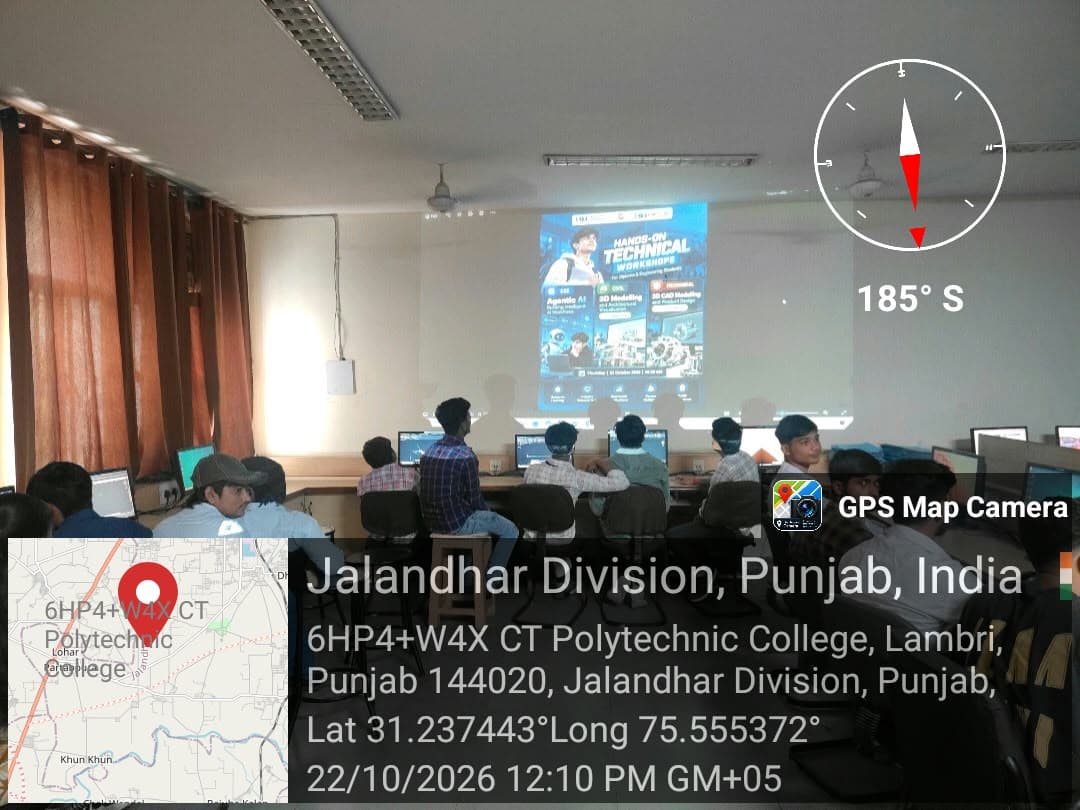
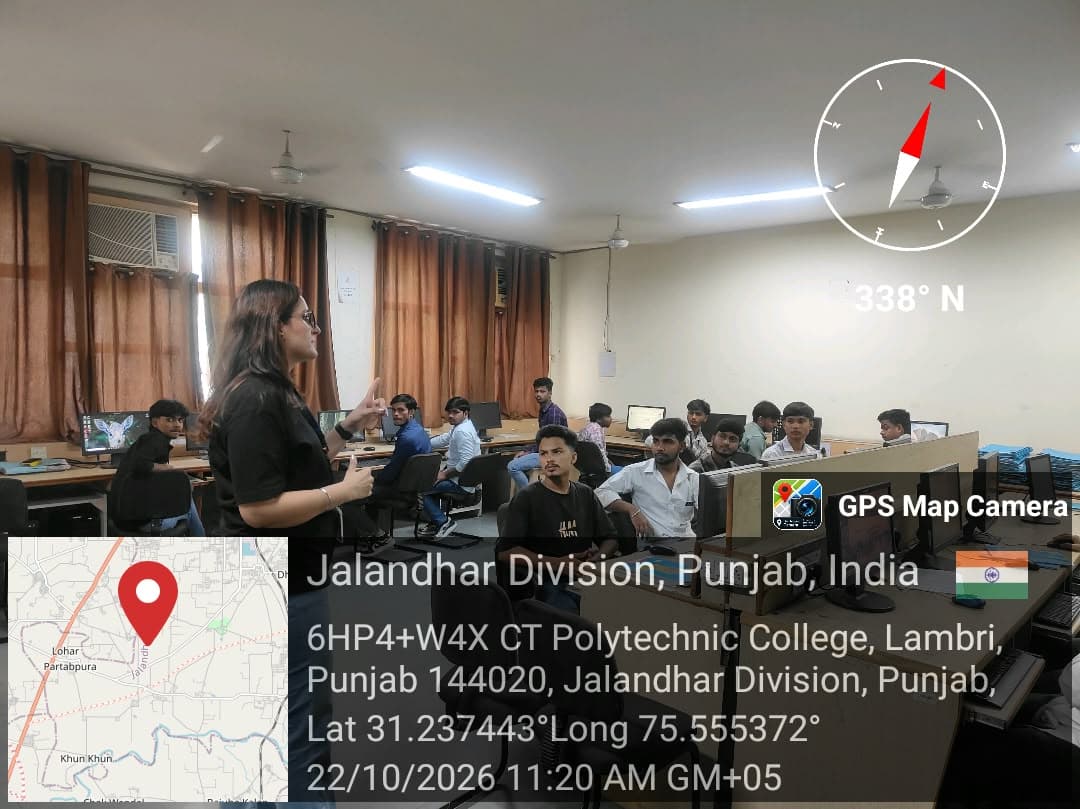
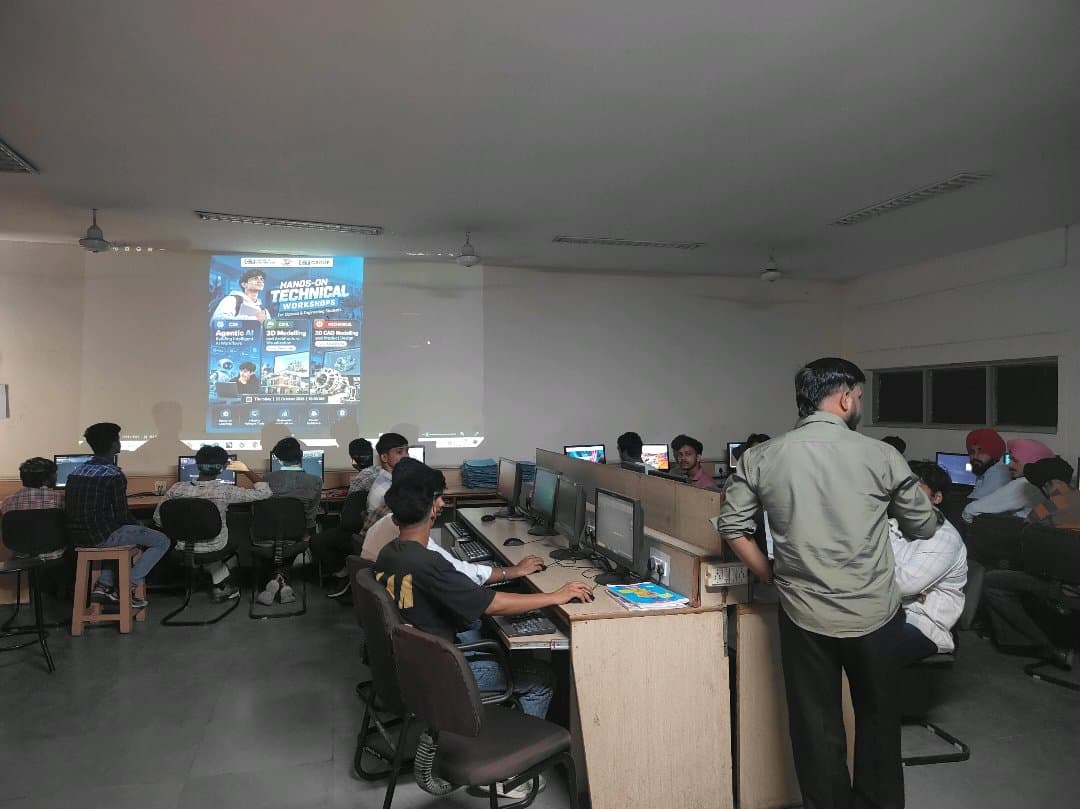
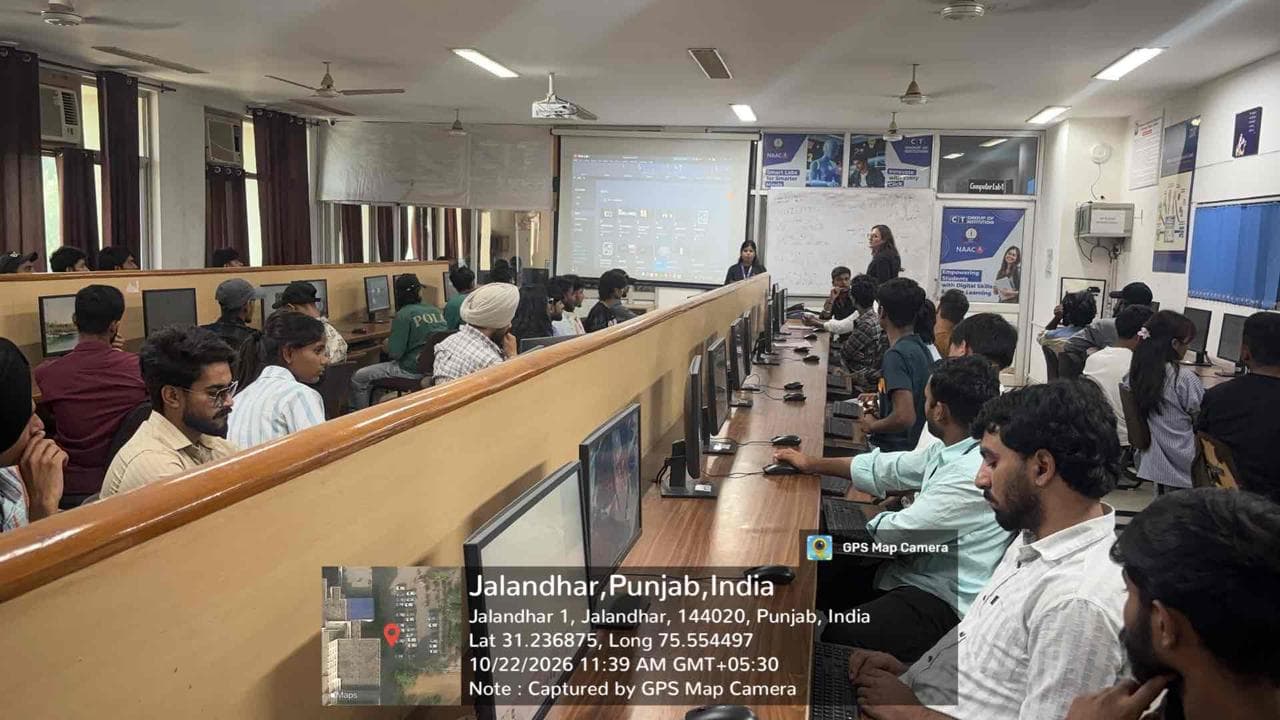
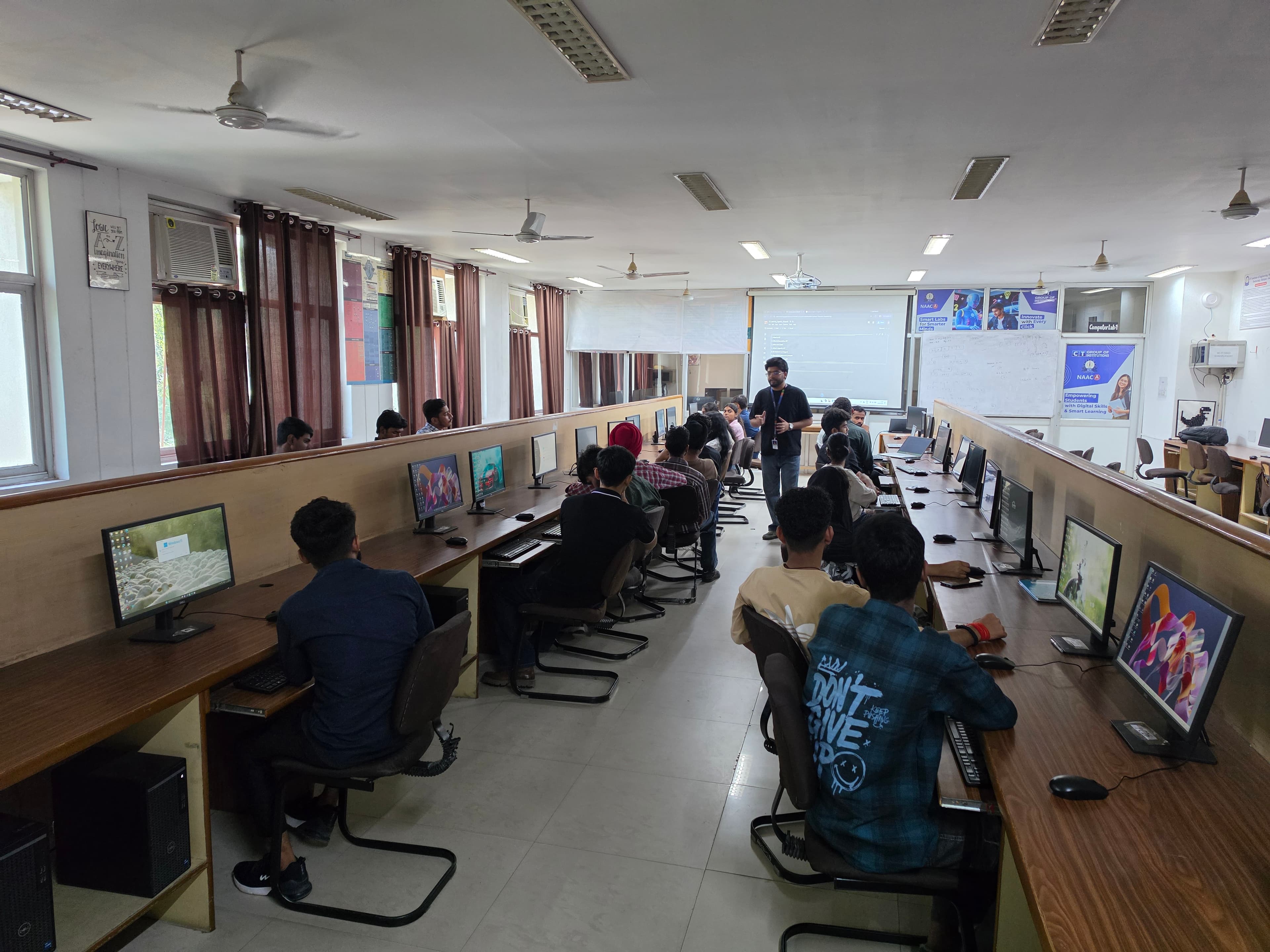
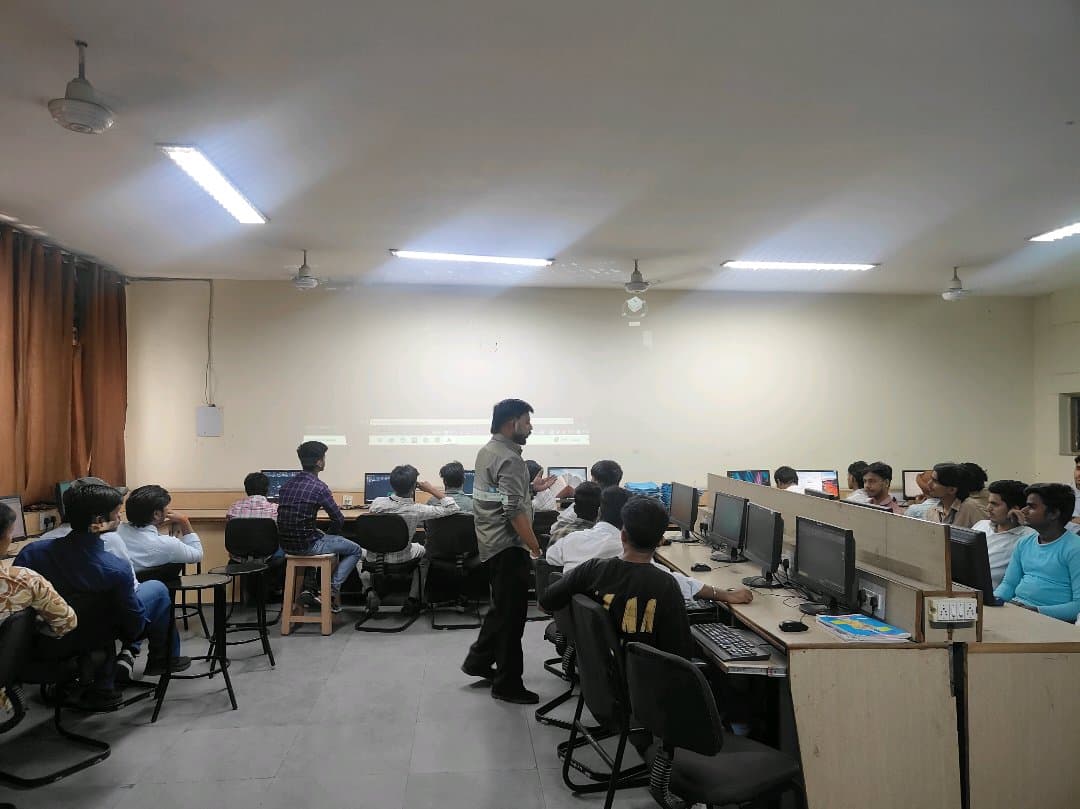
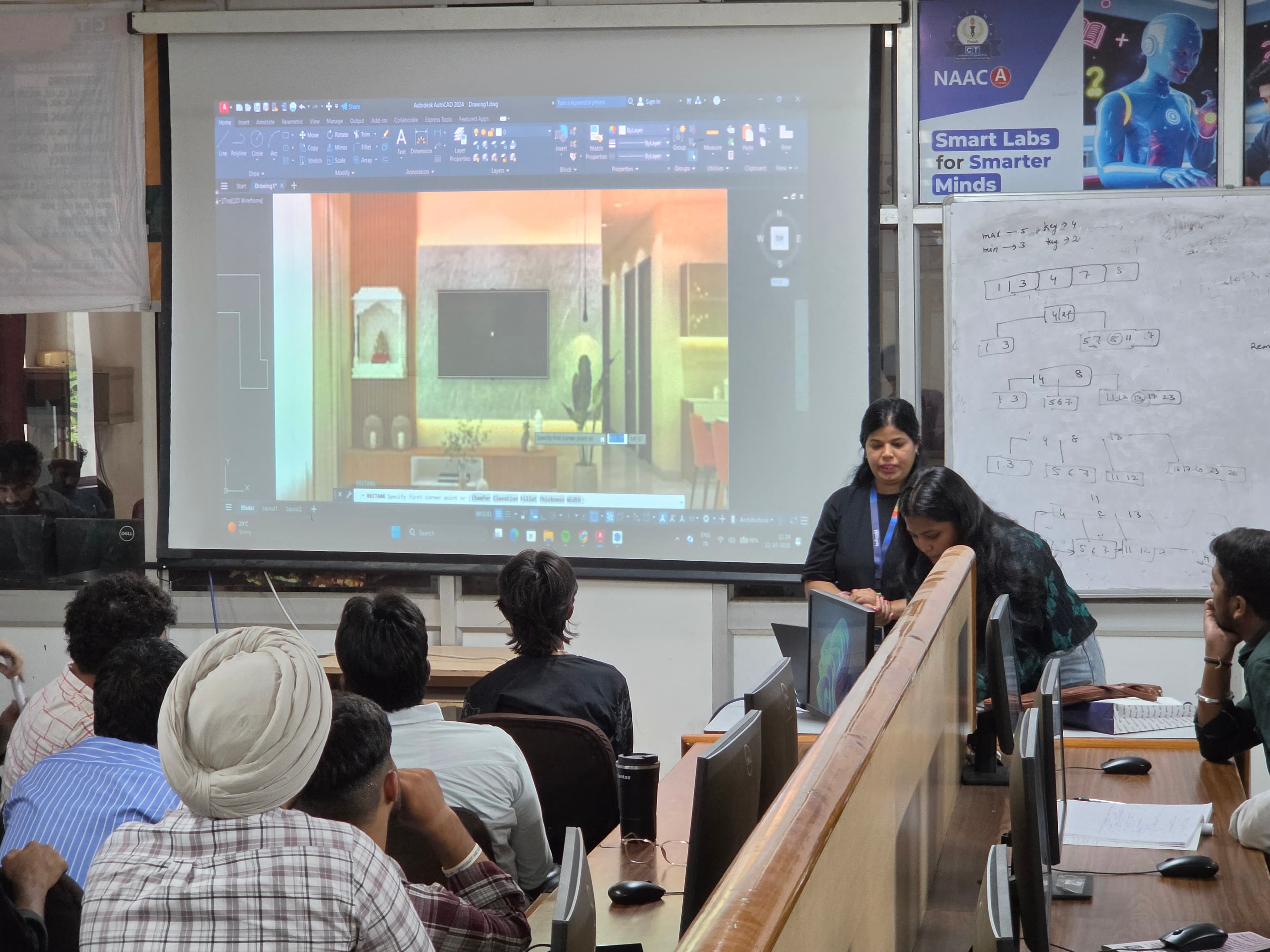
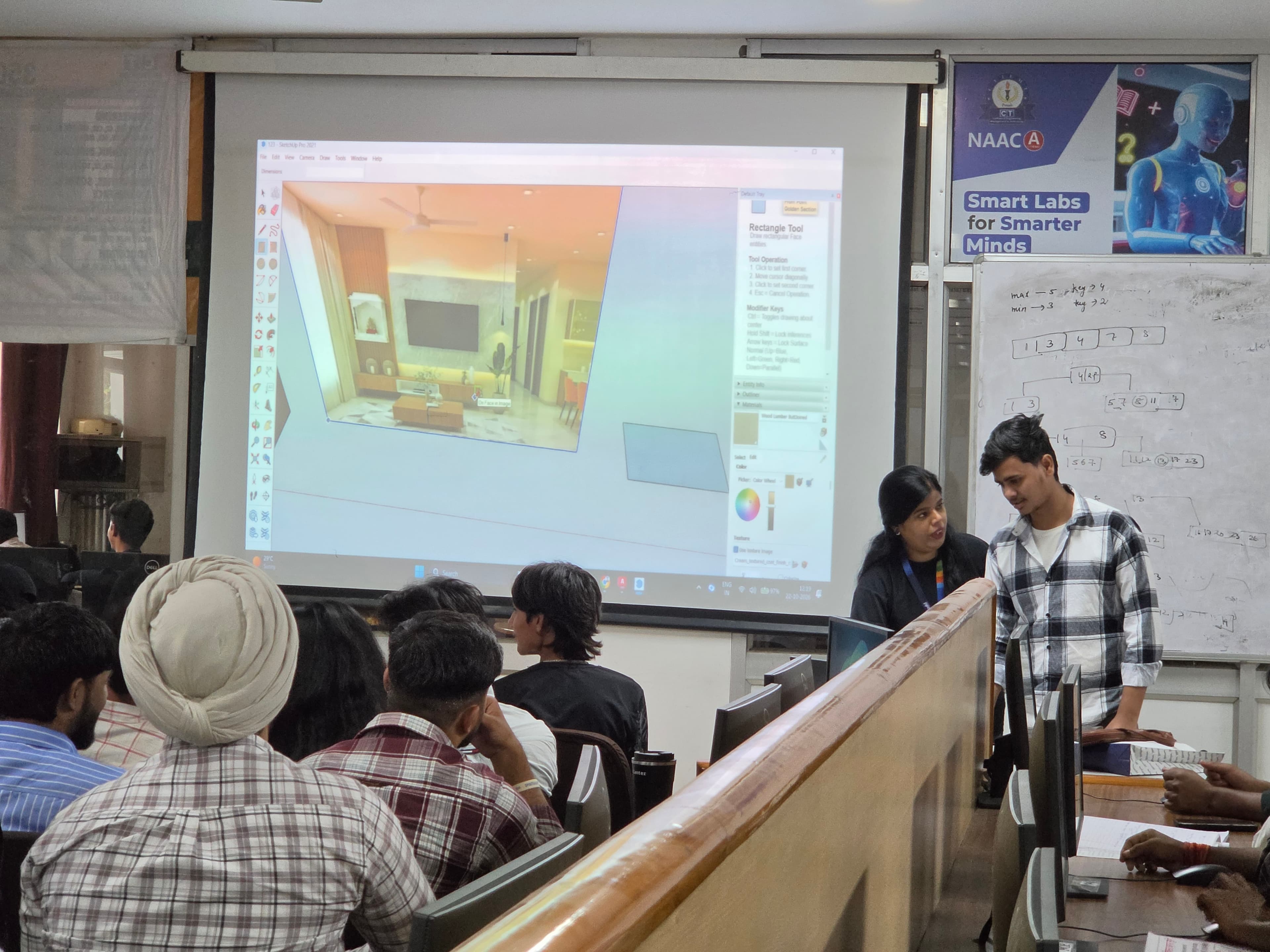
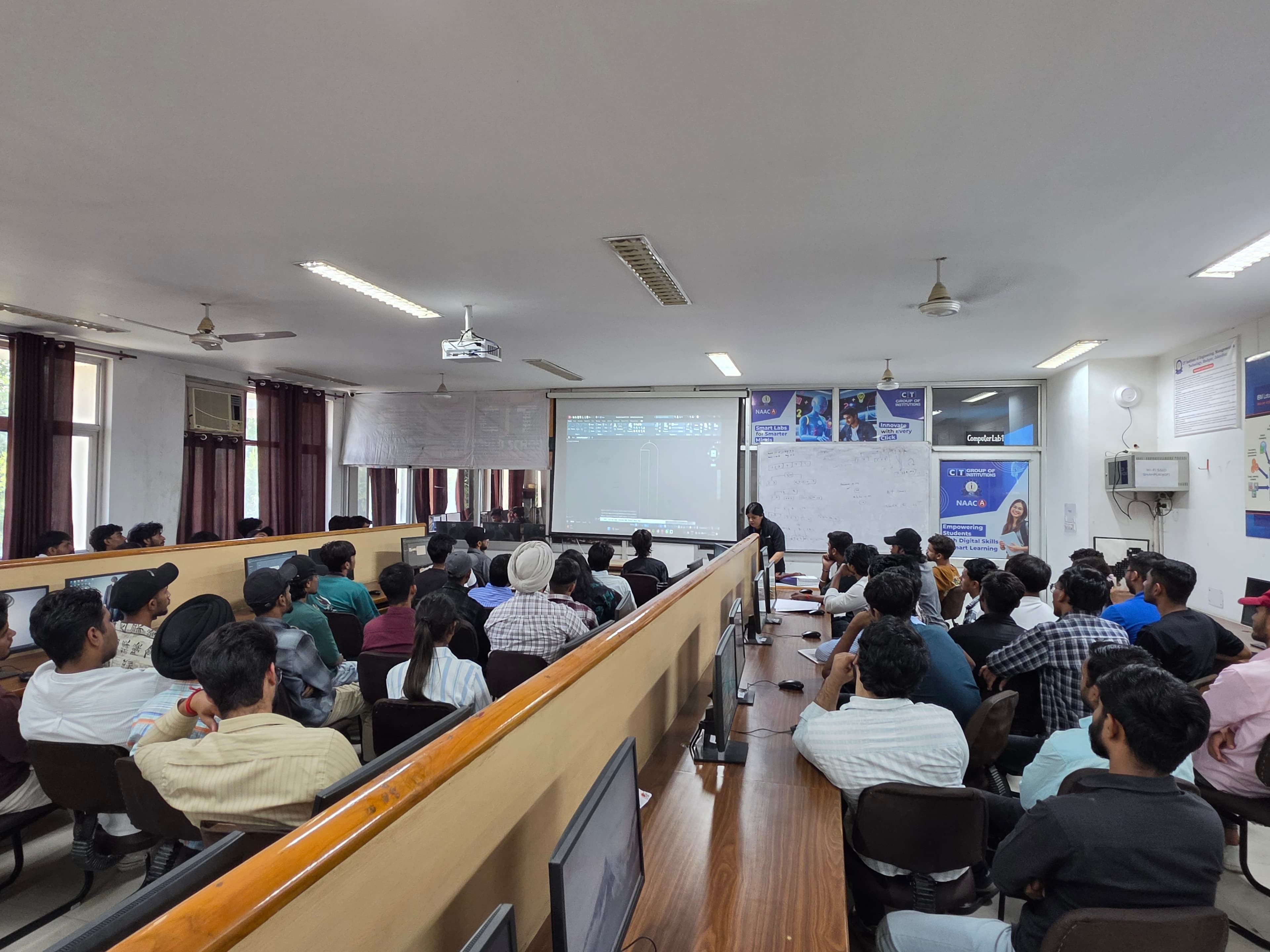
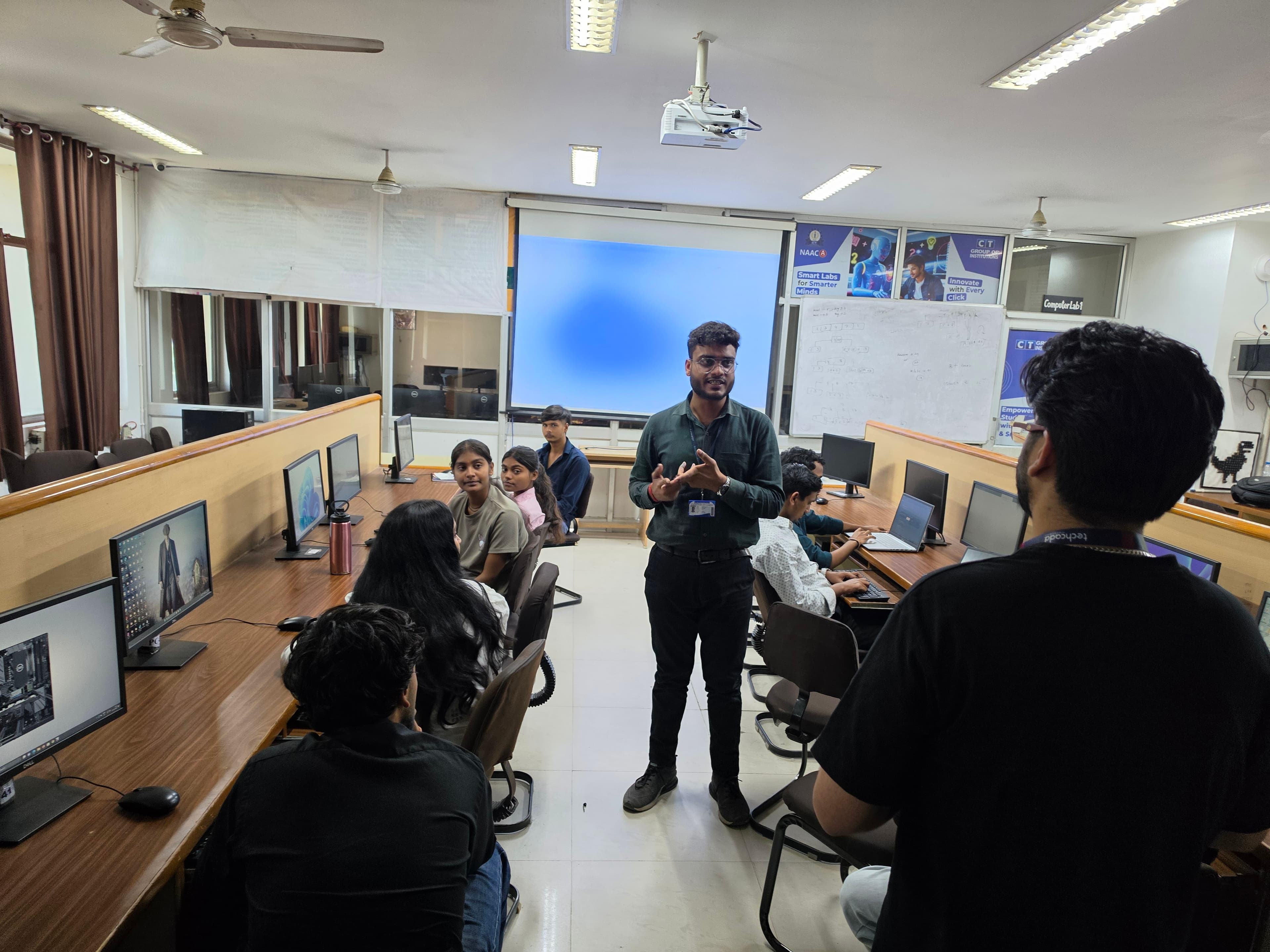
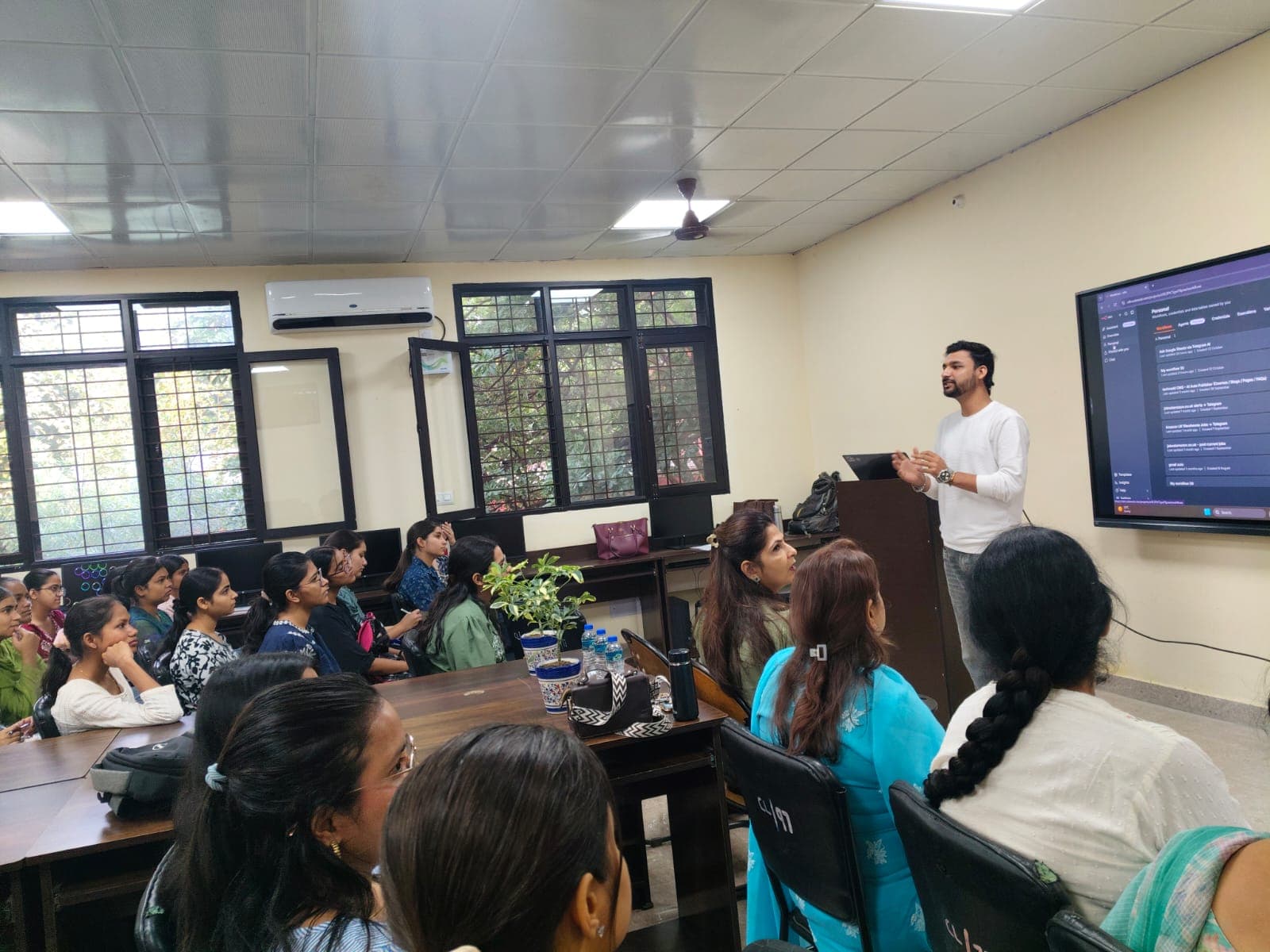
techcadd conducted an educational session on software used in Computer Science Engineering (CSE), Civil Engineering, and Mechanical Engineering at C.T. Institute, Shahpur, Jalandhar, Punjab, highlighting the growing importance of digital tools and software proficiency in modern engineering education and industry.
As engineering practices continue to evolve with technological advancements, specialised software has become an essential part of design, development, analysis, and problem-solving across engineering disciplines. Understanding these tools can help students connect academic concepts with practical applications and prepare for the changing requirements of the professional world.
Software in Computer Science Engineering (CSE)
Computer Science Engineering involves programming, software development, database management, and application development. Tools such as Visual Studio Code, Git, GitHub, and IntelliJ IDEA support coding, project development, and collaboration. Familiarity with relevant development tools can help students strengthen their programming foundations and explore opportunities in software engineering, web development, and related IT fields.
Software in Civil Engineering
Civil Engineering professionals use specialised applications for drafting, infrastructure design, structural analysis, and construction planning. Software such as AutoCAD, Autodesk Civil 3D, Revit, ETABS, and STAAD.Pro supports different aspects of computer-aided design, Building Information Modelling (BIM), and structural engineering.
Understanding these tools can help students appreciate the role of digital technology in improving design visualisation, planning, accuracy, and engineering analysis.
Software in Mechanical Engineering
Mechanical Engineering uses computer-aided design (CAD), computer-aided manufacturing (CAM), and computer-aided engineering (CAE) tools for product development, modelling, simulation, and manufacturing-related processes. Applications such as SolidWorks, CATIA, Siemens NX, ANSYS, and Autodesk Fusion are used across various mechanical design and engineering workflows.
Developing familiarity with these applications can help students understand modern product development processes and explore career opportunities in manufacturing, automotive engineering, product design, and simulation.
Bridging Engineering Education and Industry Skills
The session highlighted the importance of combining strong engineering fundamentals with software proficiency and continuous skill development. As industries increasingly integrate digital technologies into their operations, students can benefit from understanding the software relevant to their chosen specialisation and developing the ability to adapt to new tools and workflows.
Through such educational initiatives, techcadd continues to promote technical awareness, digital skill development, and career-oriented learning among students. Encouraging learners to explore software used across engineering disciplines helps them understand the connection between academic knowledge and the practical demands of technology-driven industries.
The session at C.T. Institute, Shahpur, reinforces the importance of software literacy in engineering education and the value of developing industry-relevant skills for future professional growth.

 WorkshopPast