Introductory practical training
Guided sessions and lab practice at the centre, ending in a mini project. A structured start in data science — not mastery, and not job readiness.
Use a summer or winter break to get a structured, hands-on introduction to data science. Write Python, clean a real dataset with pandas, query it with SQL, chart what you find, try a first machine learning model and finish with a mini project you can explain.
Batch dates, fees, syllabus and academic documents depend on the current programme. Ask for them in writing before enrolling.
Overview
A short, practical introduction to the data science workflow: asking a clear question, loading and cleaning data, exploring it, summarising it with charts and simple statistics, and trying one basic model. It is designed for a holiday or semester break, not as a replacement for a longer programme.
Introductory practical training, a university industrial training requirement and an employment internship are three different things. Know which one you need before you choose a batch.
Guided sessions and lab practice at the centre, ending in a mini project. A structured start in data science — not mastery, and not job readiness.
Some colleges require summer or industrial training with set hours, a report and a viva. Only your college decides whether this training satisfies that requirement.
Supervised work for a host organisation, sometimes paid. This programme is training at a training centre, and is described that way on every document.
Working Python and pandas, a few SQL queries you understand, honest charts, a first look at machine learning and one documented mini project.
Who can apply
Short training suits students who want a structured start during a break. An entry assessment places you at the right pace, whatever your degree or semester.
Turn programming and database subjects into a working data notebook, and meet a summer or industrial training slot with a project you built yourself.
Build on introductory programming with pandas, SQL and charts — a practical bridge from coursework to data work.
Use a break to add a data science project to your profile, or to test whether analytics or modelling suits you before a longer programme.
Connect statistics and coding through a small, well-documented investigation on a public dataset.
An early taste of data work during your first long holiday. Start with Python basics; nothing beyond school maths is assumed.
Motivated beginners can join if they are prepared to practise daily. The entry assessment decides whether you start with a Python foundation first.
Why 45 days?
Forty-five days fits a college holiday and is long enough to finish one small, honest project. It is not long enough for mastery — and we will not pretend otherwise.
Summer and winter breaks leave time for daily sessions and practice without competing with semester exams.
You go from question to cleaned data, charts and a short write-up once, end to end, rather than sampling ten tools briefly.
A low-commitment way to see whether you enjoy analysis, statistics or modelling before choosing a six-month path.
Forty-five days does not promise expertise, a job or academic credit. Credit depends on your college; jobs depend on much more than one short training.
What you will learn
Introductory depth across each area, in the order a data scientist uses them. The current session plan states exactly what your batch covers — ask for it.
Variables, loops, functions, lists and dictionaries, files and reading errors — enough Python to work with data.
Jupyter or Google Colab, organising a notebook so someone else can follow it, and saving your work.
Loading CSVs, selecting, filtering, grouping, handling missing values, duplicates and wrong data types.
SELECT, WHERE, ORDER BY, GROUP BY and simple joins on a small database.

Bar, line, histogram and scatter charts with Matplotlib and Seaborn — and how charts mislead.
Mean, median, spread, distributions, correlation and why correlation is not causation.
Train-test split, a simple regression or classification model in scikit-learn, a baseline and honest metrics.
Putting a notebook and README on GitHub, and explaining findings and limitations in plain language.
Matplotlib Seaborn
 Excel
Syllabus & learning roadmap
An indicative plan — the pace depends on your entry assessment, and the current batch's session plan is what counts. Each day follows the same pattern: a clear objective, a guided practical, an independent task and a mentor checkpoint.
Entry assessment, tool setup, notebooks, variables, data types, conditions and loops.
Functions, lists, dictionaries, files and errors, then NumPy arrays and first steps in pandas.
Loading CSVs, filtering, grouping, missing values, duplicates, data types and a cleaning log.
Basic queries, grouping and joins, then exploring a dataset and writing down what you find.
Matplotlib and Seaborn charts, averages, spread, distributions and correlation, with honest interpretation.
Train-test split, a baseline, one simple scikit-learn model, evaluation metrics and their limits.
Plan, build and document a small project on a public dataset, publish it to GitHub, present it and complete the final evaluation.
Training vs internship
Students search “summer training”, “industrial training” and “internship” for the same college requirement, but they are not the same thing. The name on a certificate does not decide whether your college accepts it.
The mini project
What you finish with
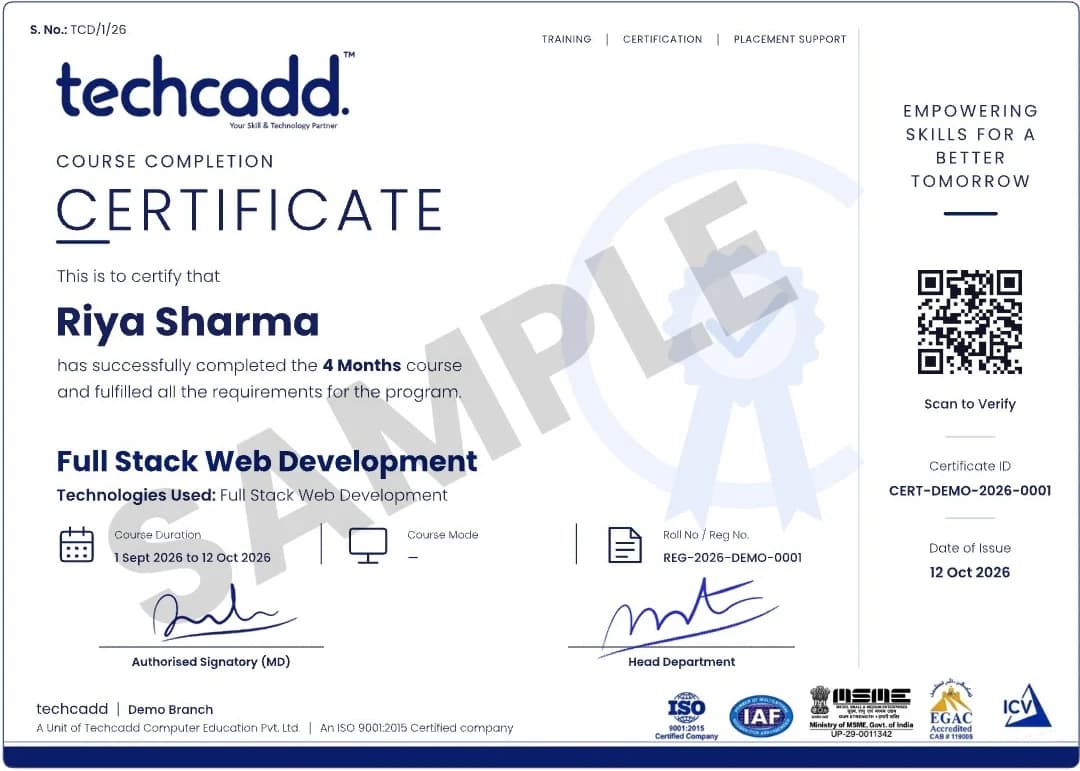
Issued on finishing the programme, with a QR code and certificate ID anyone can verify.
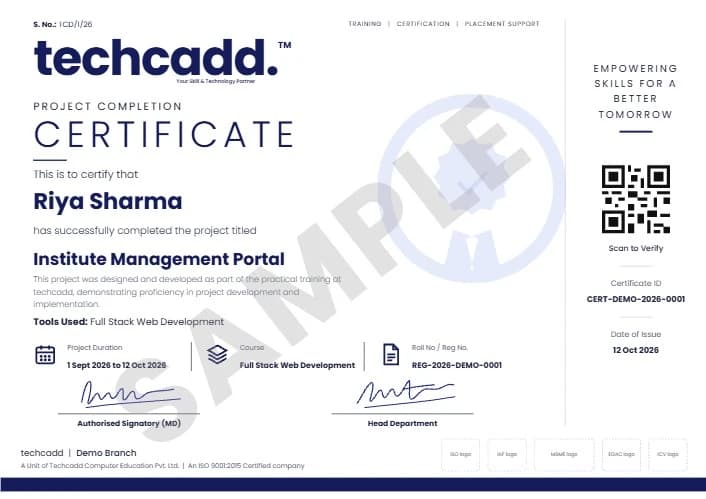
A separate certificate naming the live project you designed and built during training.
Project ideas
Each is small enough for the last week: a question, a public dataset, a cleaning log, a few charts, one simple model where it fits, and a short write-up of limitations.
Explore an anonymised or public marks dataset and summarise what relates to performance — without labelling individuals.
Monthly sales, top products and seasonality from a public retail dataset, with clear charts.
A simple linear regression on a public housing dataset, compared with an average-price baseline.
Clean public measurements, handle gaps and chart trends without claiming causes.
Group and compare ratings by genre and year, and discuss sampling bias in who leaves ratings.
A classic classification exercise: cleaning, a baseline, one model and an honest look at errors.
Query and chart player or match statistics from a public dataset with pandas and SQL.
Analyse a synthetic expense dataset by category and month, and present three findings.
Compare a simple classifier with clustering on a small, well-known dataset and explain the difference.
How to apply
Six steps, so you know what is agreed before you pay and how you are assessed at the end.
Share your degree, semester, break dates and whether your college requires specific training documents.
Discuss training versus internship, batch options, workload and what the certificate will say.
A short entry assessment decides whether you start with Python foundations or move faster.
Agree the session plan and mini project scope, and get batch dates and fees in writing.
Set up Python, notebooks and GitHub, and understand attendance rules and evaluation criteria.
Daily checkpoints, a mini project review and a final evaluation, with feedback on what to learn next.
College requirements
Get your department's checklist first, then confirm in writing which of these techcadd can provide and in what wording.
If your 45 days counts towards academic or industrial training, get written approval from your college before you join. Only your college decides whether this training meets its requirement.
Batches & timing
The most common window for B.Tech, BCA and MCA students — usually after even-semester exams.
A shorter break may need a more intensive daily schedule, or a batch that continues into the semester.
Calendar days and teaching hours are not the same. Ask for the daily hours, holidays and any self-study component.
Weekday batches move faster; weekend batches spread the same content. Confirm start dates for your chosen batch.
Eligibility, fees & what is included
No fee is published here because it depends on the batch and format. Ask for the current fee in writing, along with exactly what it includes.
No prior coding is required for beginner batches, but school-level maths, a willingness to practise every day and comfort with a computer help. The entry assessment sets your starting pace.
Career scope
Forty-five days is a starting point. These are roles you could work towards with further study and stronger projects — not roles this training qualifies you for:
No placement is promised. Hiring depends on your skills, projects, communication and each employer's criteria.
Extend your mini project, try new public datasets and keep your GitHub active after the training ends.
More SQL, statistics and pandas practice will matter more than adding new libraries.
The natural next step is the six-month data science internship and industrial training, with deeper machine learning and a portfolio capstone.
Why students consider techcadd
Ask to see the session plan, sample exercises, trainer background and examples of past mini projects shared with permission before you decide.
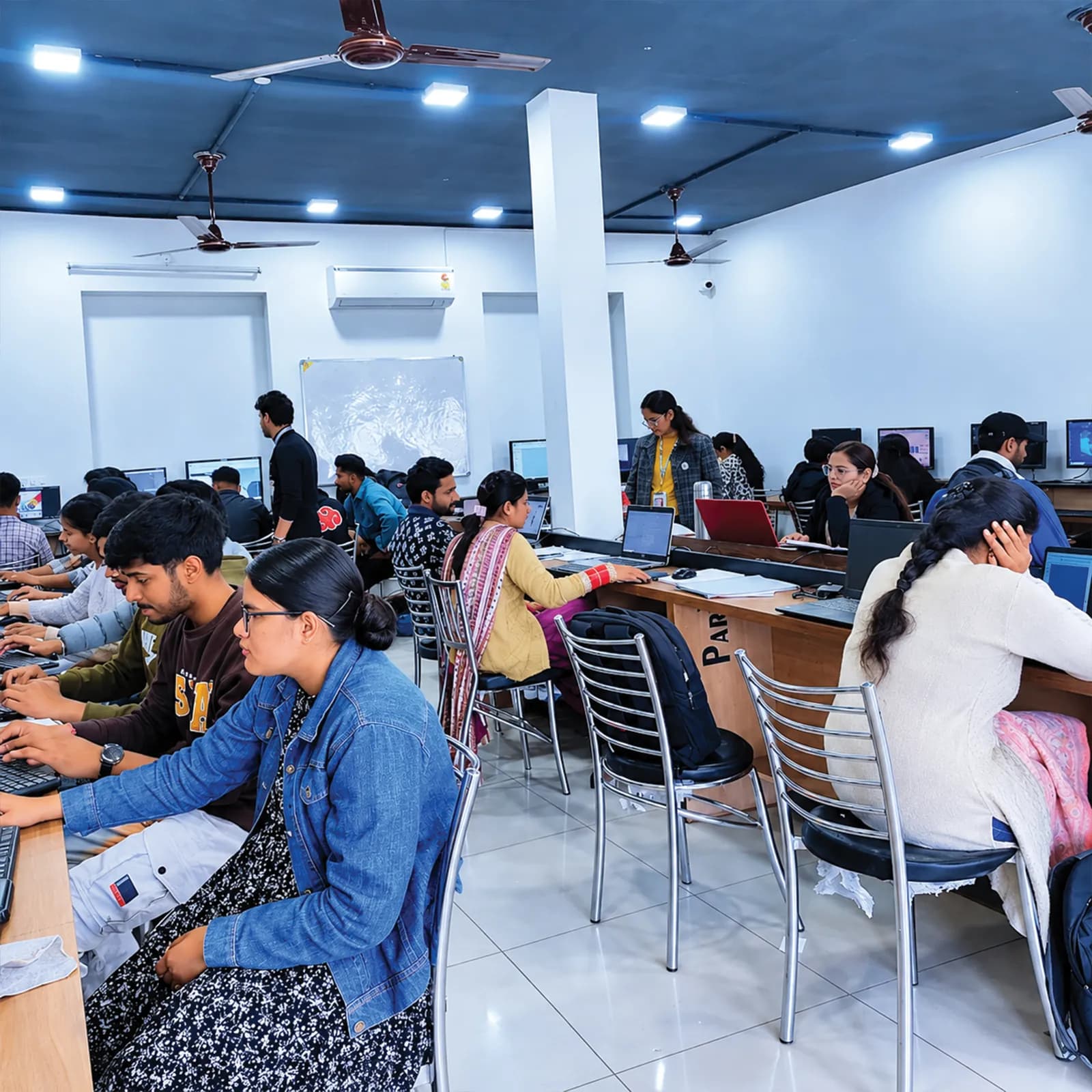
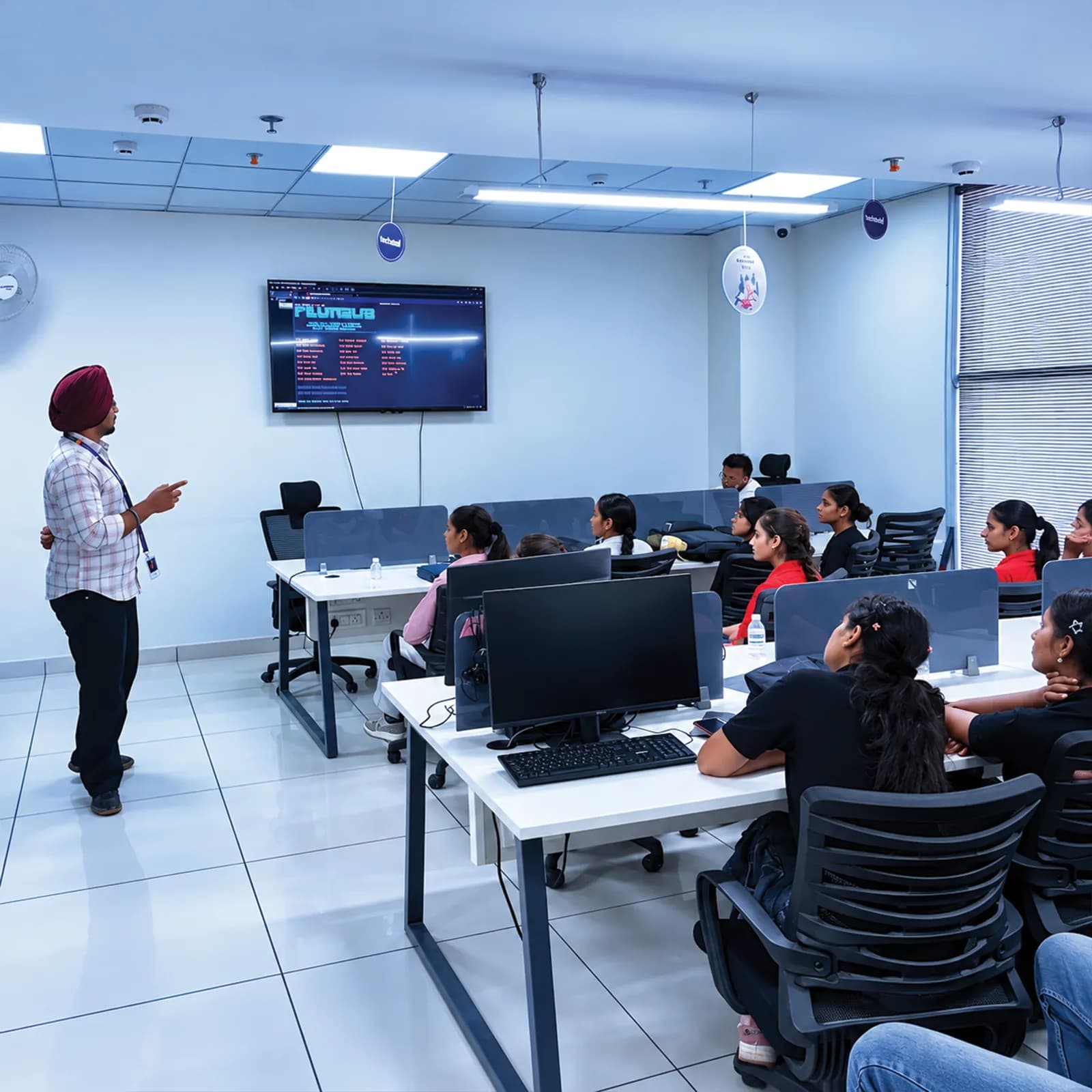
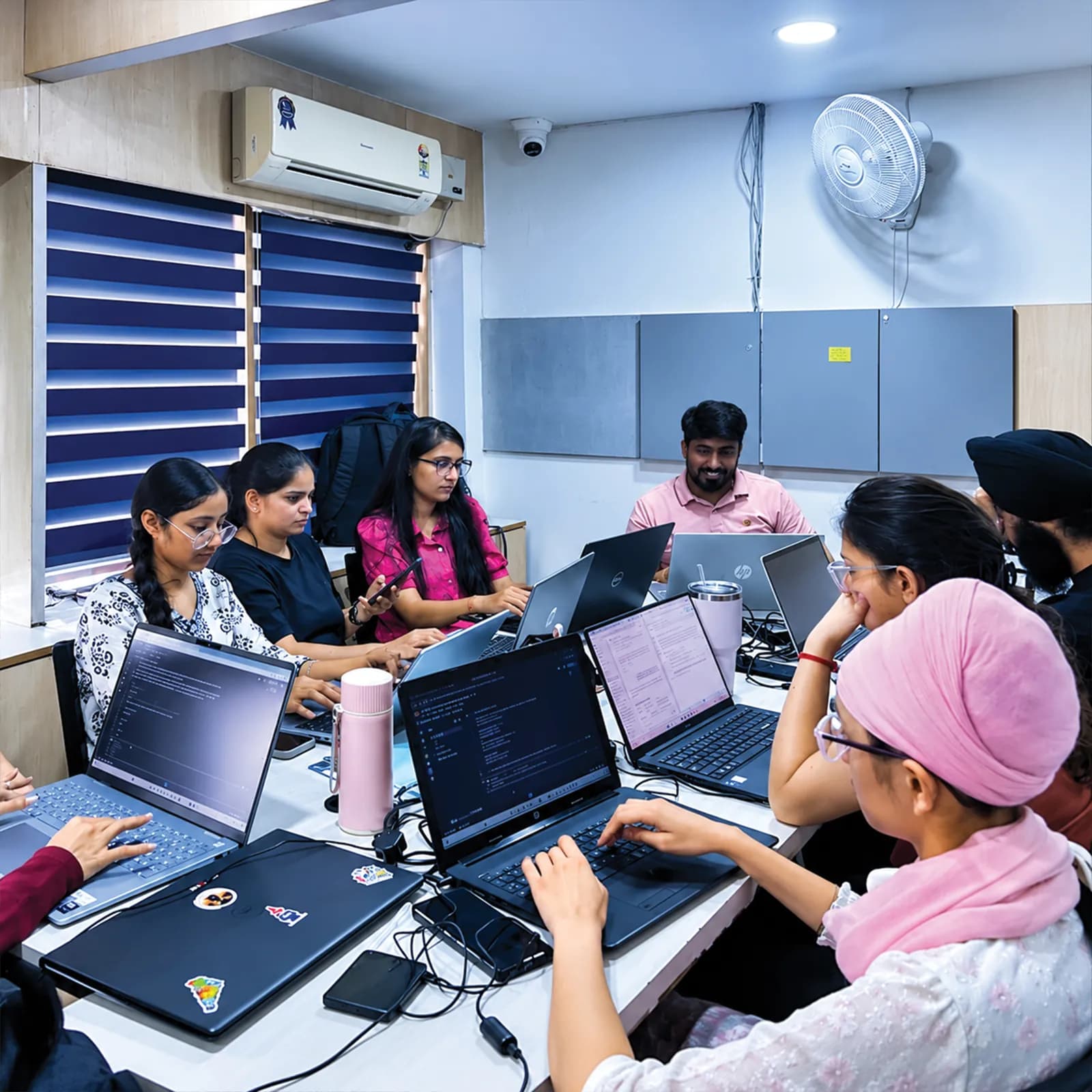
You start at a pace that matches your current skills, not a one-size-fits-all batch.
Each day ends with an independent task and a mentor checkpoint rather than notes alone.
Fees, documents, certificate wording and evaluation are explained before admission.
Visit the centre, meet the trainers and look at the lab before you confirm a batch.
techcadd Jalandhar is at 2nd Floor, Crystal Plaza, SCS 78, Opposite PIMS Hospital, Jalandhar, Punjab 144001. Students travel in from nearby towns during holidays — check the batch timing against your travel time before you join.
techcadd Jalandhar — 2nd Floor, Crystal Plaza, SCS 78, Opposite PIMS Hospital, Jalandhar, Punjab 144001Frequently asked questions
Answers depend on your college and the current batch — confirm anything academic directly with your department.
A short, project-led introduction to data science for college students: Python, pandas, SQL, charts, basic statistics and a first model, ending in a mini project.
Enough for a structured introduction and one small project, not for mastery or job readiness. Treat it as a strong start and keep practising afterwards.
It is training at a training centre, not an internship with an employer. Certificates and letters describe it as training.
Only your college can decide. Get its requirements and written approval before joining, and ask us which documents we can provide.
Ask during counselling. Confirm in writing which letters are available and their exact wording before you pay.
No. The entry assessment decides whether you start with Python foundations. Prior practice simply lets you move faster.
Yes, if you are motivated and can practise every day. Beginners start with Python basics before moving to pandas and SQL.
Yes. First-years often use their first long holiday for an introductory training; nothing beyond school maths is assumed.
You will train and evaluate one simple model and understand why baselines and honest metrics matter. Deeper machine learning needs a longer programme.
Python, Jupyter or Google Colab, NumPy, pandas, Matplotlib, Seaborn, scikit-learn, SQL, Excel, Git and GitHub, at introductory depth. Ask for the session plan for your batch.
School-level maths is enough to start. Averages, percentages and reading graphs are the most useful skills.
Ask about lab access. A laptop helps with daily practice, but confirm the device requirements for your batch.
Ask whether the batch is fully taught or includes optional self-study, and how many hours a day are guided.
Analytics focuses on cleaning, summarising and reporting data; data science adds statistics and predictive models. Both share Python, pandas and SQL.
No. A 45-day training does not guarantee placement or a job. It gives you a structured start and a project to build on.
Fees depend on the batch and format and are not published here. Ask for the current fee, taxes, inclusions and refund policy in writing.
Send an enquiry from this page or call +91 98881 22254, share your degree, semester and break dates, and ask for the session plan and batch details.
techcadd Jalandhar is at 2nd Floor, Crystal Plaza, SCS 78, Opposite PIMS Hospital, Jalandhar, Punjab 144001. Visit for counselling before you confirm a batch.
Apply
Looking for data science summer training, winter training or a short industrial training slot? Share your degree, semester, break dates and college requirements, and ask for the session plan, batch dates and fees before you decide.