Learn Algorithmic Trading in Jalandhar
Imagine a trading system that analyses market data, identifies potential opportunities and generates buy or sell signals based on predefined rules. Learn how financial markets, Python, data analysis and mathematics come together in algorithmic trading — one practical step at a time.
- Live client projects
- Practitioner trainers
- Placement support
- Certificate + internship
- Level
- Beginner Friendly
- Core Skills
- Python & Data Analysis
- Practice
- Backtesting & Paper Trading
- Finance Degree
- Not Required
- Students trained
- 25,000+Students trainedsince 2016
- Google rating
- 4.9★Google rating556+ reviews
- Practical training
- 100%Practical traininglive client work
Course overview
Algorithmic trading, also known as algo trading, is a method of executing trading decisions using predefined instructions or computer programs. These instructions may consider market prices, trading volume, technical indicators, time and other data to generate trading signals. A simple algorithm might generate a buy signal when one moving average crosses above another, and a sell signal when a predefined condition is met. Depending on the setup, order placement can be manual, semi-automated or fully automated.
Algorithmic trading combines financial market knowledge, programming, data analysis, mathematics and technology. Traders develop strategies, convert their rules into code, test them on historical market data and evaluate their performance before considering live implementation. It does not eliminate human involvement: traders and developers still design strategies, monitor performance, manage risk, review market conditions and improve their systems.
Financial markets are increasingly shaped by technology, automation and data-driven decision-making. Learning algorithmic trading introduces you to how programming, financial data and statistical methods power modern trading technology — and to the AI and machine learning techniques being explored for pattern recognition, forecasting and risk analysis. It also connects to career areas such as software development, quantitative research, data science, financial technology and risk analysis.
For beginners, algo trading can look complicated because it combines finance with programming. You do not need to master everything at once. At techcadd Jalandhar, the path starts with financial market fundamentals and Python, moves through statistics, data analysis and trading strategies, and builds up to backtesting and paper trading — with a clear understanding of risk before any real money is involved.
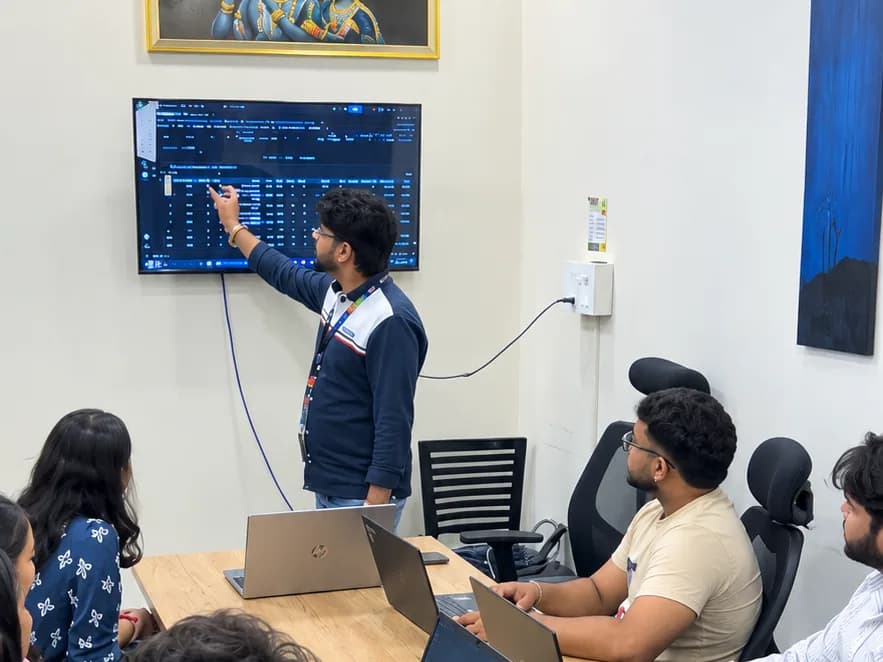
Industry-Ready Training in Algorithmic Trading
- 100% practical, project-based learning
- AI tools integrated into every module
- Live client projects under trainer supervision
- Internship letter and placement support
- Small batches with daily doubt clearing
What you will
actually build
Becoming an algorithmic trading professional takes financial understanding, programming knowledge, analytical thinking and practical experience. The learning path follows the same order a real strategy does: understand the market, write the code, test against history, simulate, and only then consider going live.
Financial Markets
- Stocks, equity markets and trading activity
- Options: calls, puts and option pricing fundamentals
- Currencies, forex pairs and commodities such as gold and crude oil
- Position sizing, stop-loss rules, drawdowns and capital protection
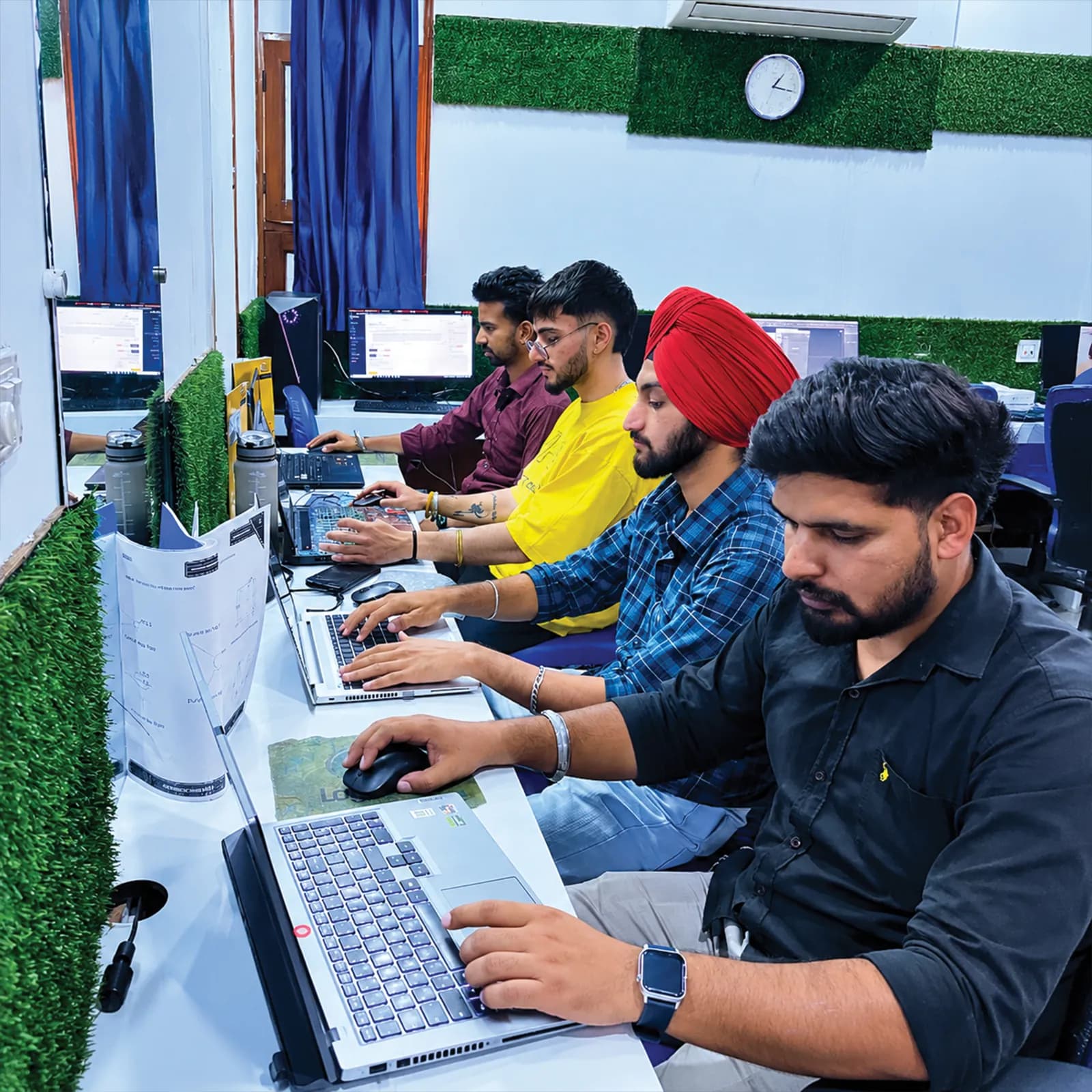
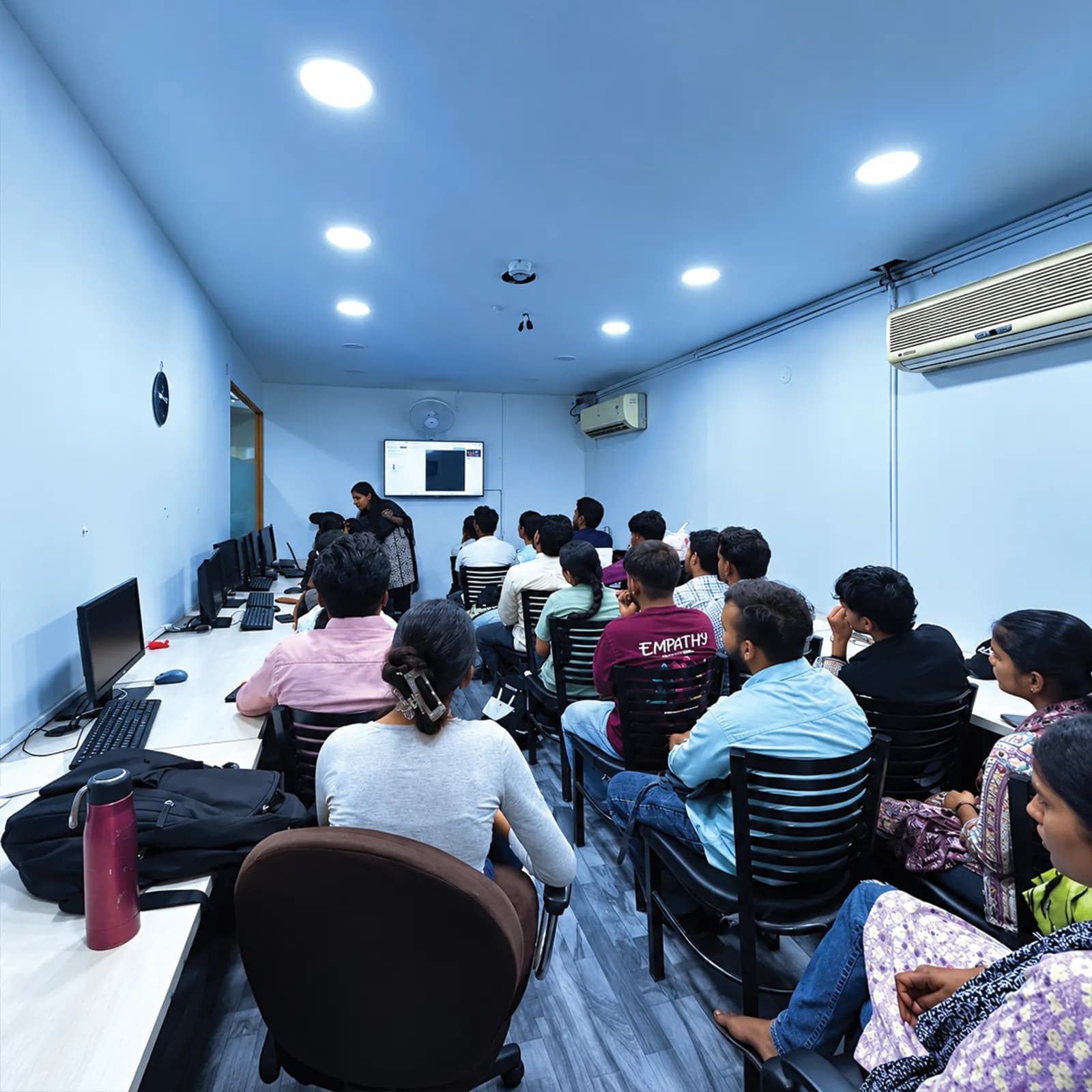
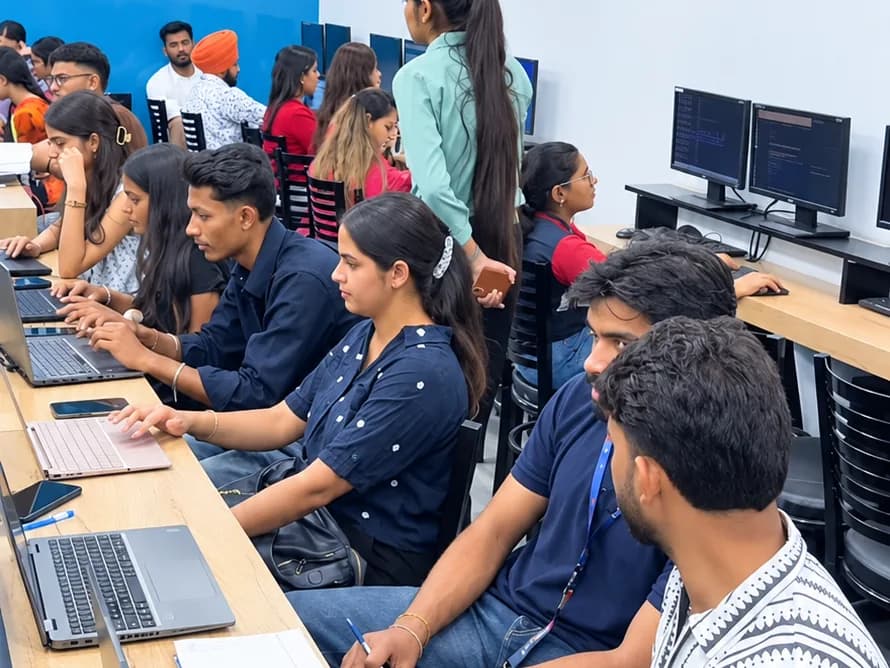
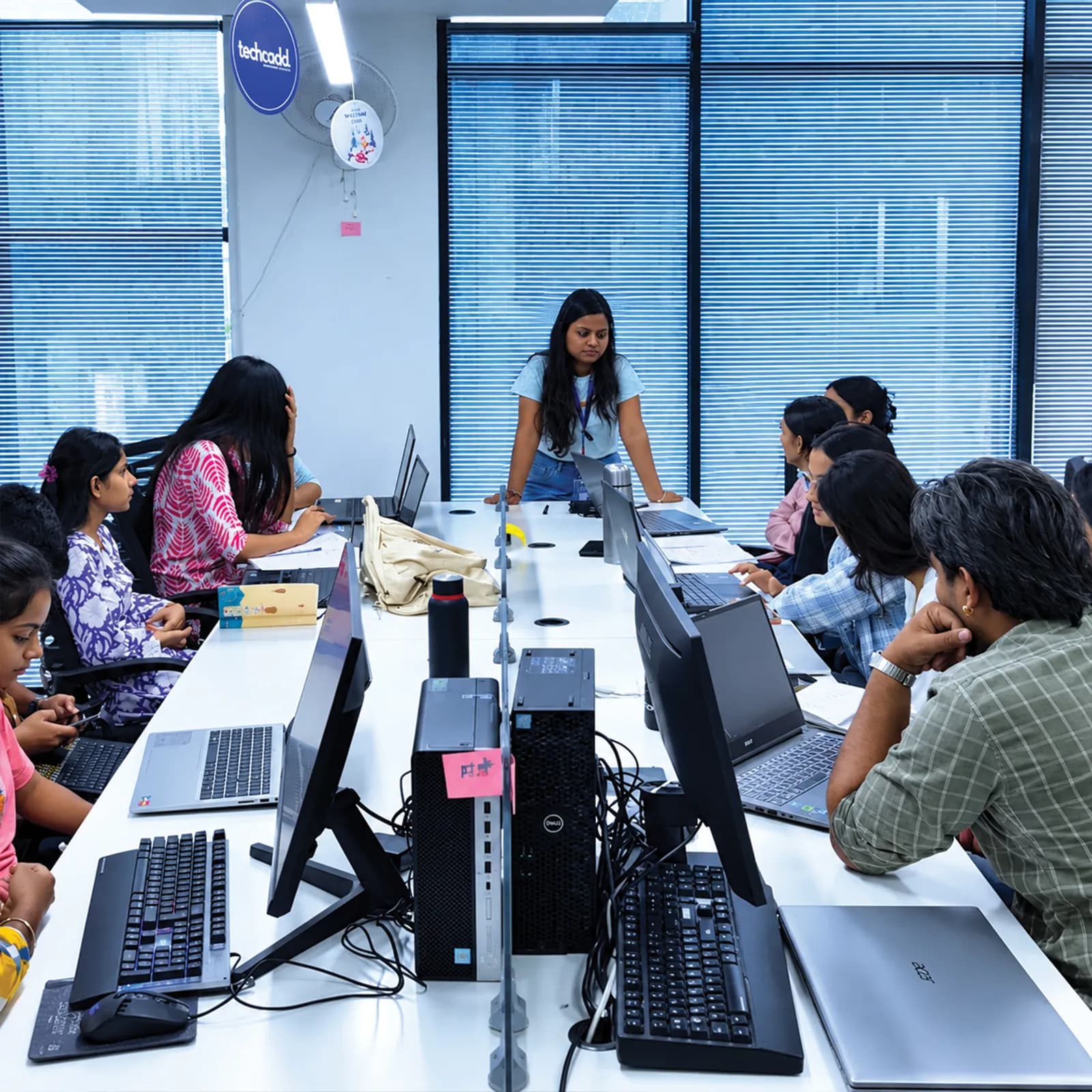
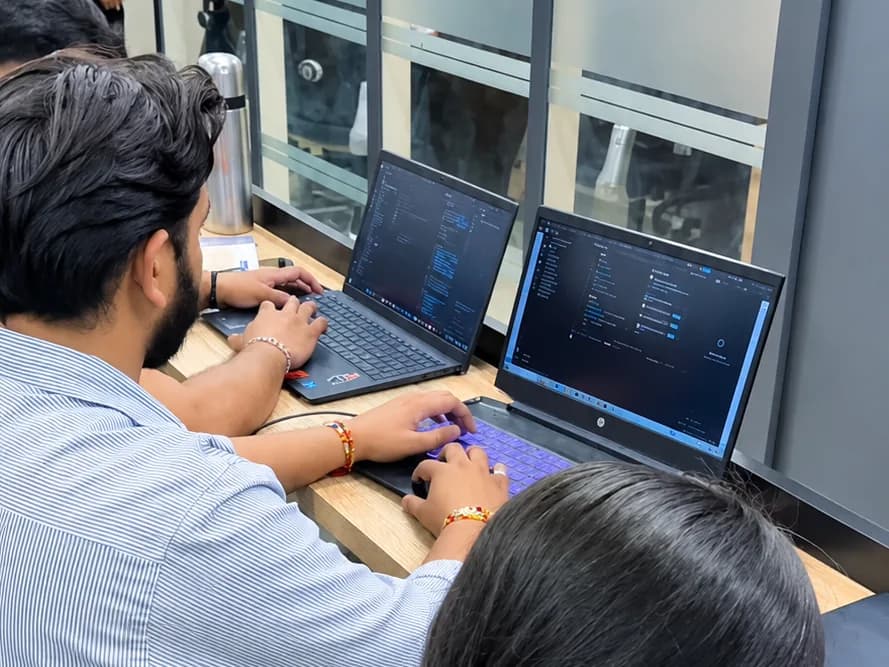
Technology is transforming how financial markets work
- Learn to turn a trading idea into rules, code, a backtest and a paper trade — in that order.
- Build Python, statistics and data analysis skills that also apply far beyond trading.
Reviewed by mentors. Built for interviews.Who can dothis course
Algorithmic trading suits anyone with an interest in programming, mathematics, finance or analytical work. Beginners can start with basic programming and market concepts and move step by step towards data analysis, backtesting and simulated trading.
Students
School and college students curious about how technology is changing financial markets, and who want to build Python and data skills along the way.
Graduates
Graduates from any background — a finance degree is not required — who want to explore quantitative finance and financial technology roles.
Programmers
Developers who already code and want to apply their skills to market data, strategy development and backtesting systems.
Finance and commerce learners
Learners who understand markets and want to add programming, statistics and automation to their trading knowledge.
FinTech enthusiasts
Anyone interested in financial technology who wants to understand how automated trading systems are designed, tested and monitored.
One course.A mesh of real tools.
Everything below is installed on the lab machines and used on live client work, not shown once in a slide and forgotten.
 GitHub
Get Certified in
Algorithmic Trading
Complete the course with a portfolio of live projects and receive an industry-recognised certificate, plus a documented internship letter accepted by Punjab universities.
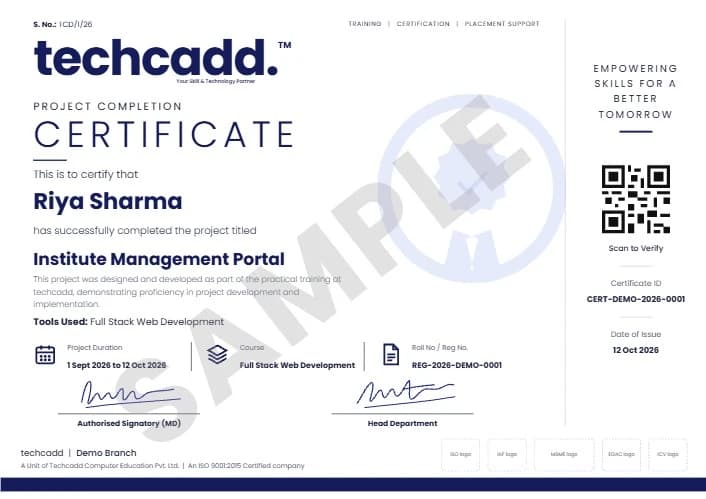
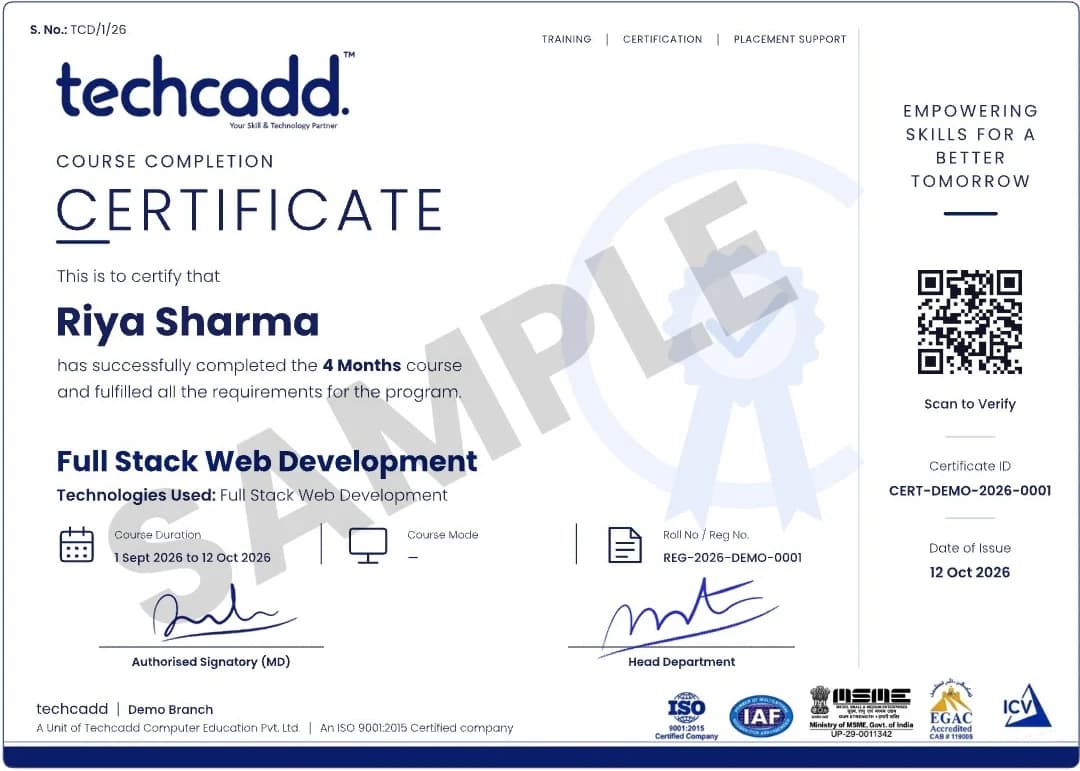
Two certificates on completion — the course certificate and a separate capstone project certificate.
Where this coursetakes you
The roles this opens, what they pay in Punjab and beyond, and who is hiring for them — the same figures our free Salary Estimator publishes, not a brochure number.
Algorithmic Trader
Develops, evaluates and monitors trading strategies that use predefined rules to generate trading signals and execute orders.
Quantitative Analyst
Uses mathematics, statistics and programming to analyse financial data, study market behaviour and develop quantitative models. Advanced quantitative roles may require deeper mathematical or financial knowledge.
Quantitative Developer
Builds the software systems and technical tools used in quantitative research, trading strategies, market data processing and execution.
Financial Data Analyst
Works with financial datasets, identifies trends, prepares reports and supports data-driven decision-making.
Risk Analyst
Evaluates financial and operational risks by studying data, exposure, market movements and risk management models.
Python Developer in FinTech
Works on applications involving data processing, automation, APIs, financial software and analytical systems.
What should I prepare for interviews?
Python programming and problem-solving, data structures and algorithms, statistics and probability, financial market fundamentals, SQL, data analysis with Pandas and NumPy, trading strategy fundamentals, backtesting and performance evaluation, basic risk management, and explaining your projects clearly. A quantitative research role may need more advanced mathematics; a software role puts more weight on programming and system design.
How do I build a network in this field?
Attend FinTech webinars, join Python, data science and programming communities, follow quantitative finance discussions, contribute to open-source projects where appropriate, take part in coding challenges and data analysis competitions, and connect with professionals in software development and financial technology. Actual employment opportunities depend on technical knowledge, practical experience and employer requirements.
Hands-on projectsyou will ship
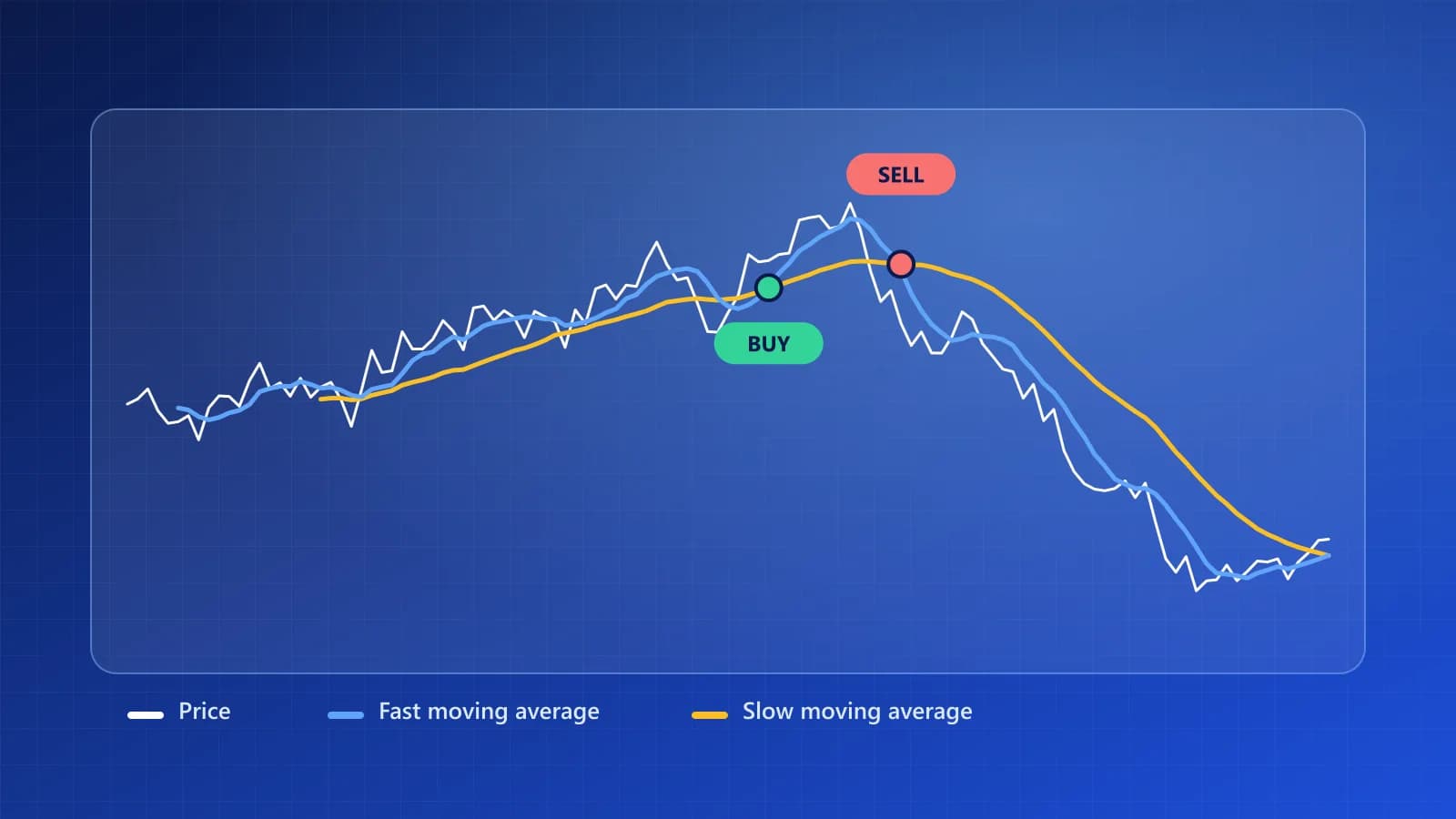
Moving Average Crossover Strategy
A Python program that uses two moving averages to generate potential buy and sell signals from historical price data.
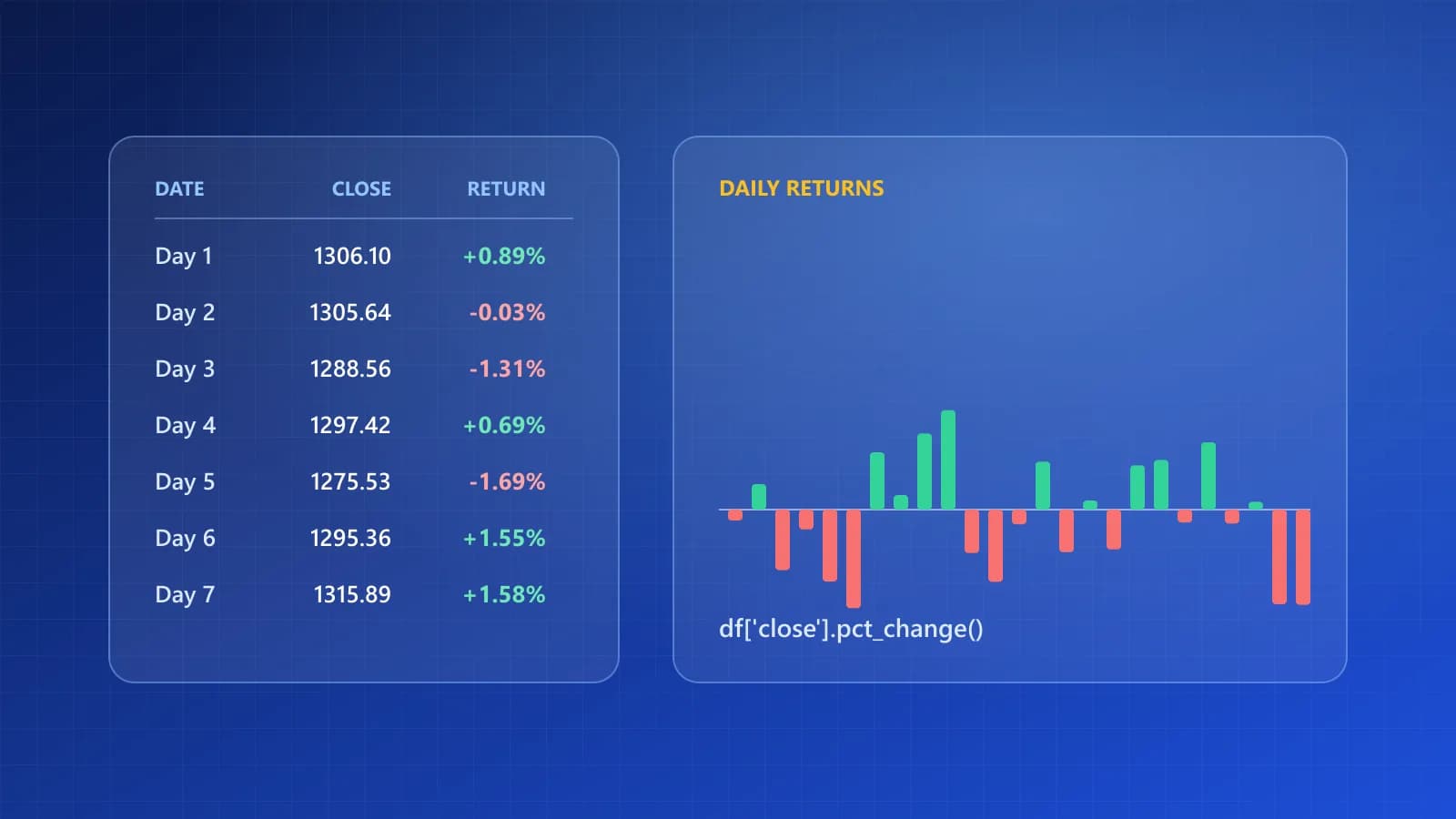
Historical Stock Data Analysis
Process stock price information with Python and Pandas, calculate returns and turn them into clear visualisations.
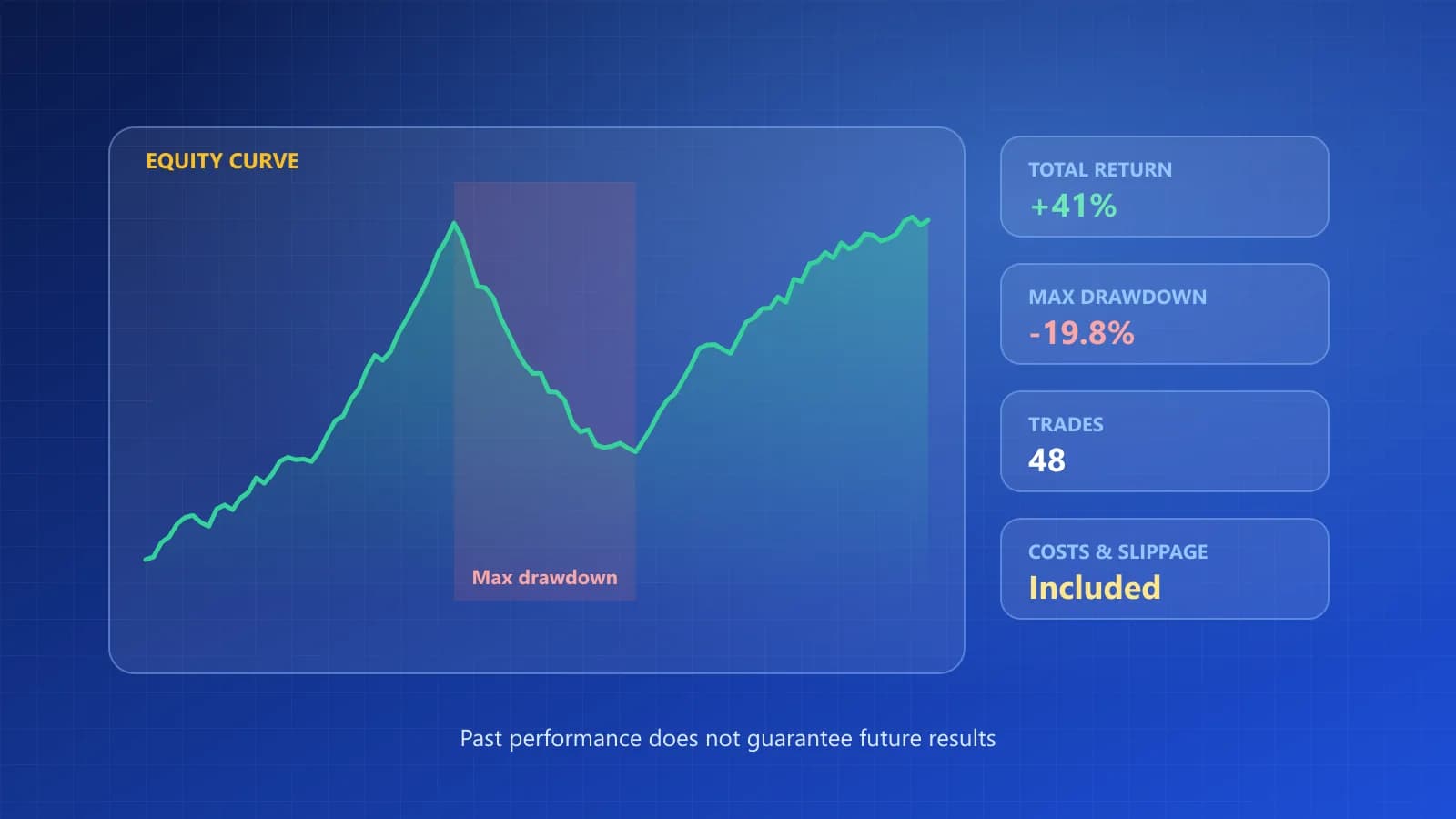
Trading Strategy Backtesting
A basic backtesting system that evaluates a predefined strategy on historical market data, with realistic costs and drawdowns measured.
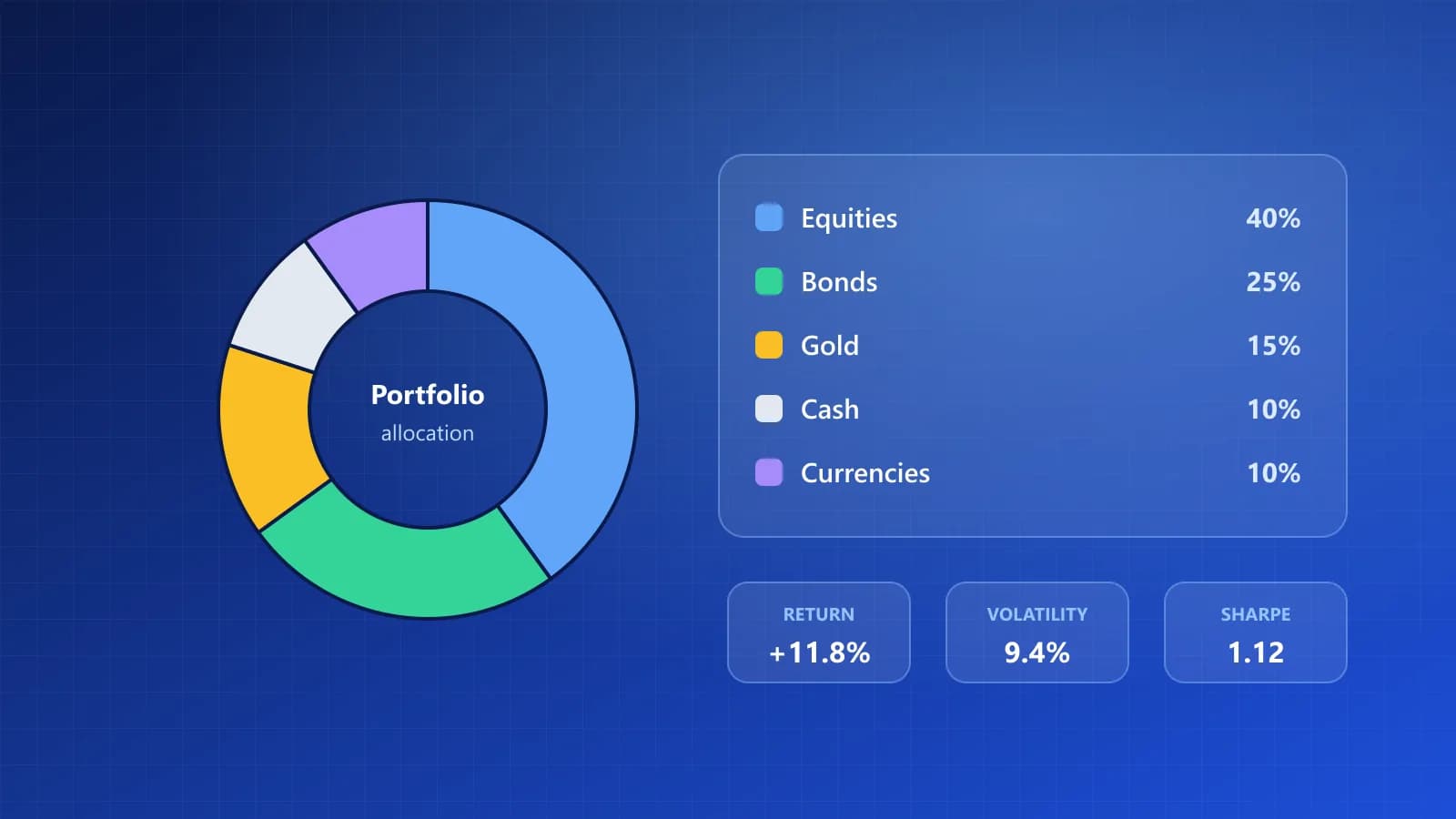
Portfolio Performance Analysis
Study asset allocation, historical returns, volatility and overall portfolio performance across a set of assets.
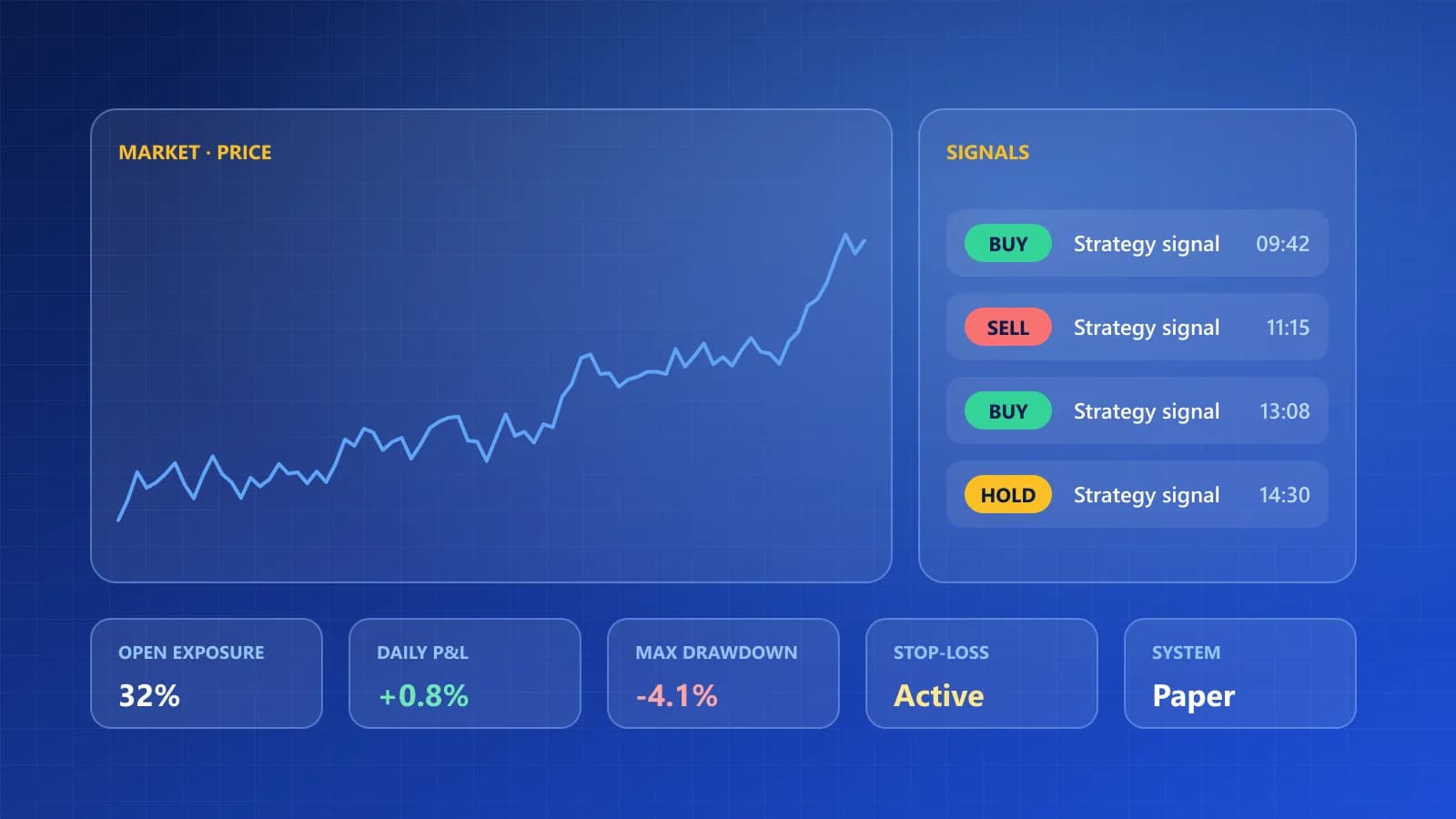
Trading Dashboard
A dashboard that brings together market information, strategy signals, historical performance and selected risk indicators.
Learn it. Build it. Make it yours.
Every project moves through the same loop: understand the brief, build with guidance, then explain the decisions behind your work.
Understand
Break a real requirement into a clear plan and the right tools.
Moving Average Crossover StrategyBuild
Work hands-on with trainer feedback while the decisions are still easy to change.
Historical Stock Data AnalysisPresent
Turn the finished work into a portfolio story you can defend in an interview.
Trading Strategy BacktestingWhy students choosetechcadd
At techcadd Jalandhar, learners interested in programming, Artificial Intelligence and emerging technology careers can build the technical foundation algorithmic trading depends on — Python, data analysis, statistics and strategy development — through practical, step-by-step learning.
Python from the fundamentals
Readable syntax and an extensive ecosystem of data libraries make Python the practical starting point for strategy development and data analysis.
Data analysis and statistics
Learn to handle, analyse and visualise data and apply the statistical concepts used to study historical market information and evaluate strategies.
AI and machine learning concepts
Explore predictive modelling and data-driven techniques, and learn why every model needs careful validation before anyone relies on it.
Practical, project-based learning
Programming exercises, historical data analysis, backtesting and simulated trading bridge the gap between reading about algo trading and doing it.
A risk-aware approach
Testing limitations, transaction costs, slippage and risk management are covered before real-money trading is ever considered.
What you are reallybeing taught
Tools and markets change. These are the habits that separate a careful algorithmic trader from someone running untested code with real money.
A good backtest is not a promise
A strategy that performed well on historical data does not guarantee future profits. Backtests must account for realistic costs, data quality, look-ahead bias and overfitting.
Paper trade before you go live
Practising with virtual money shows how a strategy behaves in current market conditions and surfaces execution issues without exposing real capital to risk.
Risk management comes first
Position sizing, stop-loss rules, exposure limits and drawdown controls are part of the system from day one, not an afterthought once it is live.
Costs and slippage are real
Transaction costs, slippage, liquidity and execution speed can erase an opportunity that looks profitable on paper, especially in arbitrage strategies.
AI predictions still need validation
Machine learning can help investigate patterns in market data, but its predictions are not guaranteed to be accurate and every model needs careful testing.
Humans stay in charge
Automation follows rules consistently, but people still design strategies, monitor performance, review market conditions and take responsibility for compliance.
Frequently Asked Questions
Algorithmic trading is a method of using computer programs and predefined instructions to generate trading signals or execute orders in financial markets. It combines programming, financial market knowledge and data analysis to automate trading processes.
Start by learning financial market fundamentals, Python programming, statistics and data analysis. Then explore trading strategies, historical market data, backtesting and paper trading. Students in Jalandhar can also explore relevant programming and technology training at techcadd to strengthen their technical foundations.
Yes, beginners can learn algorithmic trading by starting with basic programming, financial market concepts and simple trading strategies. Gradually moving towards data analysis, backtesting and simulated trading can make the learning process easier.
Python is a popular starting language because it offers libraries for data analysis, numerical computing, visualisation and strategy testing. C++ may also be useful for specialised systems where execution speed and latency are important.
A finance degree is not always necessary to begin learning algorithmic trading. However, knowledge of financial markets, mathematics, statistics and risk management is important. Programming and analytical skills are also valuable.
Python is useful for processing market data, analysing historical prices, developing trading strategies, building backtesting systems and creating financial applications. It is one of the practical programming languages to consider when beginning algorithmic trading.
Backtesting involves testing a trading strategy using historical market data to evaluate how it would have performed in the past. It helps identify possible weaknesses and examine performance before considering live-market implementation.
Manual trading involves a person analysing the market and making trading decisions directly. Algorithmic trading uses predefined rules and computer programs to generate signals or automate order execution. Both approaches require market understanding and risk management.
Strategies are often grouped by trading frequency. Low-frequency trading executes fewer trades and may hold positions longer, using trends, fundamentals or technical indicators. Medium-frequency trading trades more often, using statistical analysis, indicators and automated rules. High-frequency trading (HFT) executes very large numbers of orders at very high speed and depends on specialised low-latency infrastructure — an advanced area to approach only after the fundamentals.
Yes. AI and Machine Learning can be explored for financial data analysis, pattern recognition, predictive modelling and strategy research. However, AI-generated predictions are not guaranteed to be accurate, and models require careful testing and validation.
Possible career paths include Algorithmic Trader, Quantitative Analyst, Quantitative Developer, Financial Data Analyst, Risk Analyst and Python Developer in FinTech. The required qualifications and technical depth vary by role and employer.
Yes. Paper trading and simulated trading platforms allow beginners to practise strategies without using actual capital. These methods can help learners understand strategy execution and identify technical issues before considering live trading.
Python and data analysis help traders process historical market information, calculate indicators, evaluate trading strategies and automate research tasks. These skills are useful for understanding the technical side of quantitative finance.
Useful books include Algorithmic Trading: Winning Strategies and Their Rationale and Quantitative Trading by Ernest P. Chan, Options, Futures, and Other Derivatives by John C. Hull, and Python for Data Analysis by Wes McKinney. Blogs, YouTube tutorials, library documentation for Pandas and NumPy, webinars, practice platforms for historical testing and small Python projects are good free starting points.
Start your technology learning journey with techcadd
Interested in Python, Data Science, AI and financial technology? Begin with the basics, build practical projects and understand risk before real-money trading. Book a free demo class at techcadd Jalandhar.
Ask aboutAlgorithmic Trading
Send your question and a counsellor will call you back about batch timings, fees, EMI options, placement record, or whether this course fits your degree.
- Free counselling and demo class
- Weekday, evening, weekend or 1-on-1, all 2-hour classes
- Internship letter and placement support