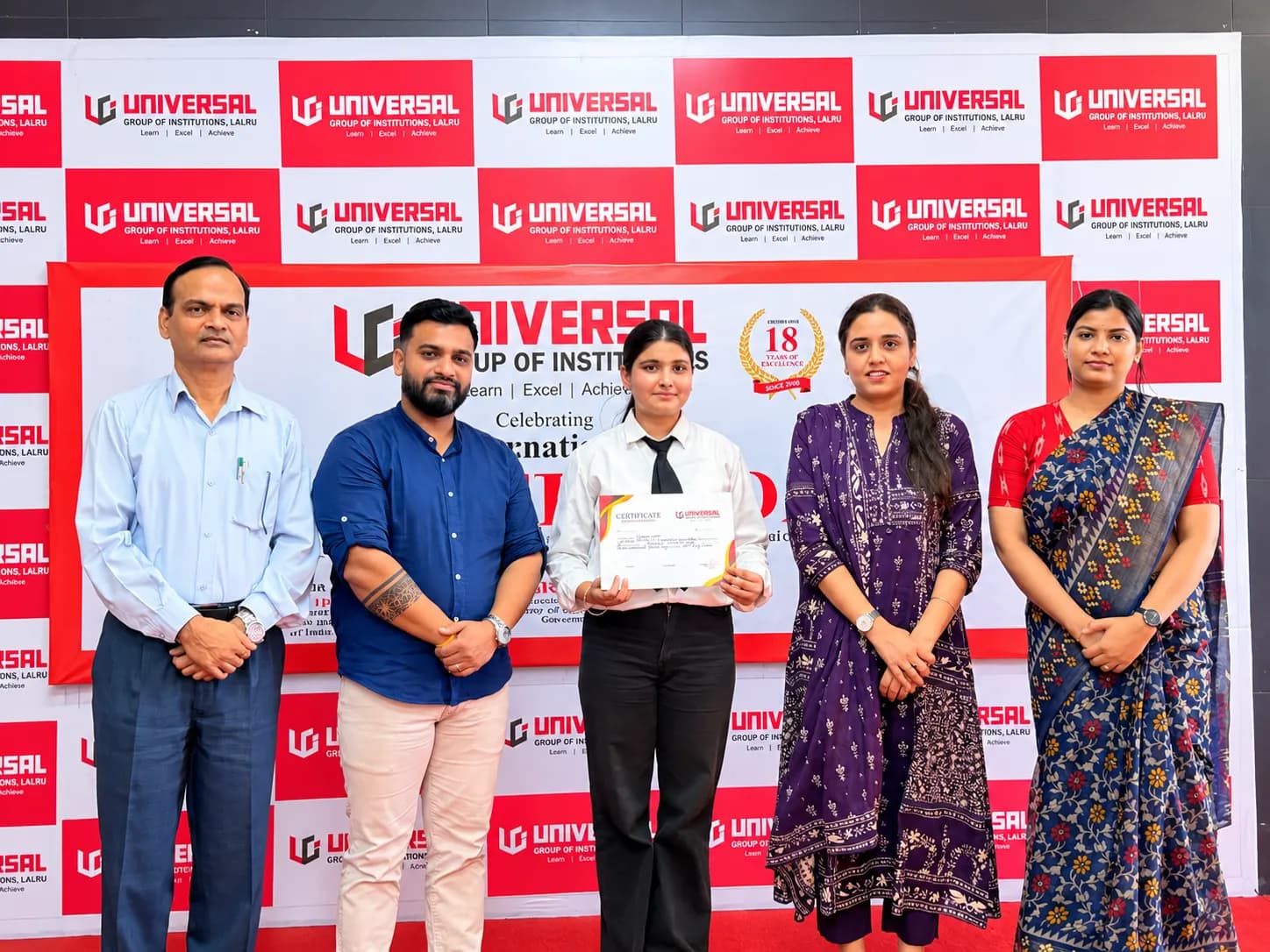
Bridging Academia and Industry. Building Future-Ready Professionals.
Structured industrial training, internships, expert-led workshops, technical seminars, faculty engagement, collaborative projects and placement initiatives, planned with your institution.
- Working with institutions since
- 2016
- Students trained
- 10,000+
- Courses and tracks
- 50+
- Partnership formats
- 6
Top Universities
Students from the region's leading universities
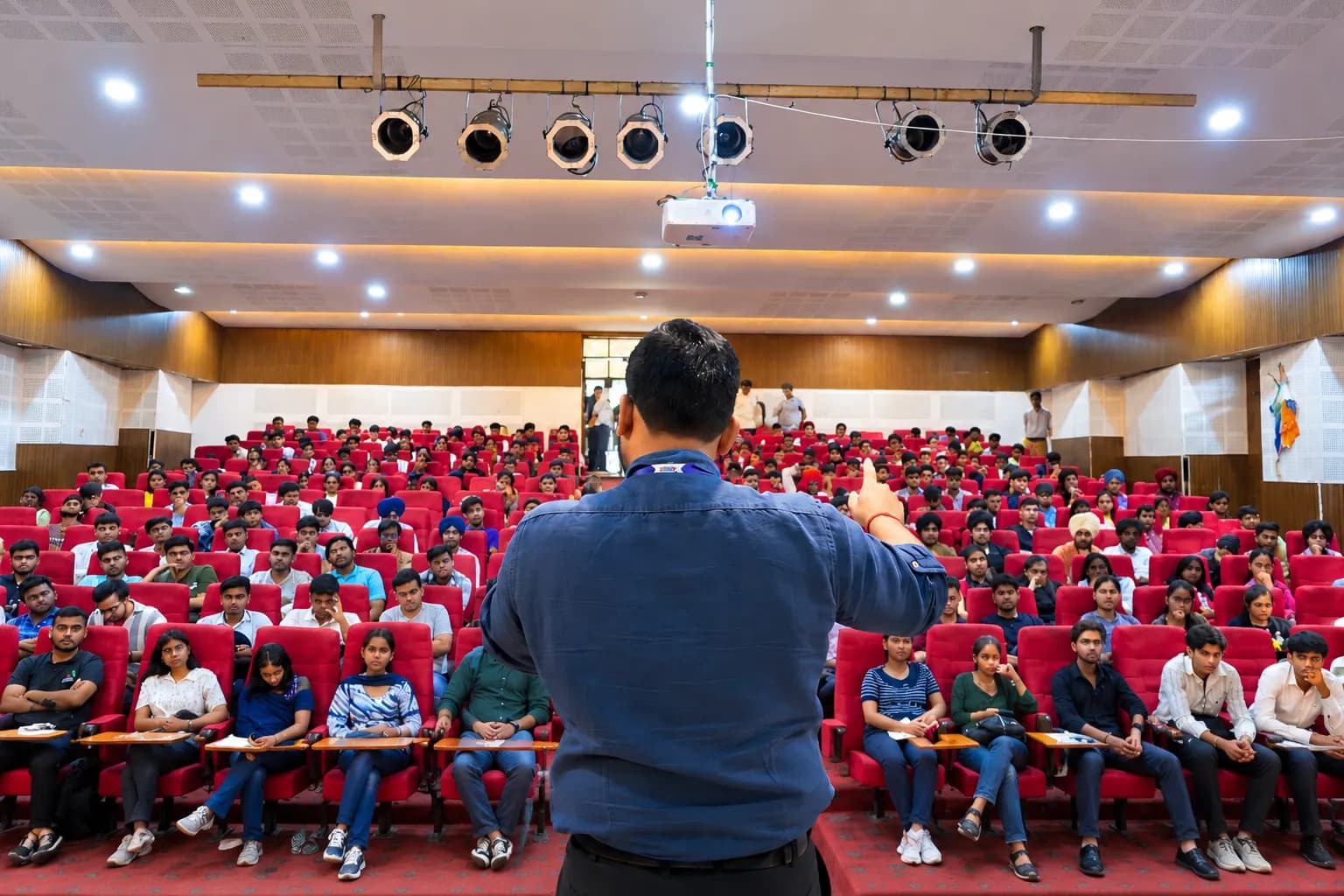
Learners from top universities across Punjab and Himachal Pradesh build industry skills with techcadd.
NIT Jalandhar, Jalandhar
The College Partnership Programme
Connecting the classroom with the workplace
The future of education depends on how effectively academic knowledge connects with practical industry experience. At techcadd, we believe that meaningful collaboration between educational institutions and the technology industry can help students develop relevant skills, explore professional opportunities and prepare for the demands of a rapidly evolving workplace.
Our College Partnership Programme is designed to strengthen the relationship between colleges, universities and industry through structured industrial training, internships, expert-led workshops, technical seminars, faculty engagement, collaborative projects and placement initiatives.
We work with educational institutions to explore programmes aligned with their academic schedules, departmental requirements, student interests and evolving industry expectations.
Why it matters
Why Industry–Academia Collaboration Matters
Academic institutions build the foundations of knowledge, critical thinking and professional development. Industry engagement can complement this foundation by helping students understand current technologies, practical workflows, workplace expectations and the application of their learning.
Through structured collaboration, techcadd seeks to support institutions in:
- 01
Enhancing practical learning
Connecting academic concepts with exercises, projects and real-world applications.
- 02
Developing industry-relevant skills
Introducing students to technologies, tools and professional practices relevant to their chosen fields.
- 03
Strengthening career readiness
Supporting aptitude preparation, communication skills, technical assessments and interview readiness.
- 04
Encouraging innovation
Creating opportunities for students to explore ideas, solve problems and develop technology-based projects.
- 05
Supporting faculty development
Facilitating industry interaction and knowledge-sharing around emerging tools and practices.
- 06
Building stronger institutional connections
Establishing a framework for continued engagement between academic departments and industry professionals.
Our approach is collaborative: each initiative is planned with the participating institution so that its scope, delivery method and learning objectives are clear.
What we offer
Our College Partnership Programmes
Seven formats, each scoped with the institution before it begins.
- 01 / 07
Industrial Training and Internships
Practical training can help students connect their academic knowledge with the expectations of professional work. techcadd works with institutions to explore structured training opportunities aligned with eligible students' academic requirements and learning objectives.
Depending on the programme, training may include hands-on assignments, project work, mentorship, assessment and feedback. Delivery may take place at agreed operational facilities or through mutually approved online, hybrid or practical-learning formats.
Six-Week Industrial Internship
Designed for eligible pre-final-year students, subject to the institution's curriculum and agreed programme structure.
Six-Month Industrial Training
A structured option for eligible students, typically in their final year, to develop technical capabilities through guided practice and project-oriented learning.
The duration, eligibility, curriculum, delivery location and assessment requirements are confirmed with the participating institution before commencement.
- 02 / 07
Campus Workshops and Technical Seminars
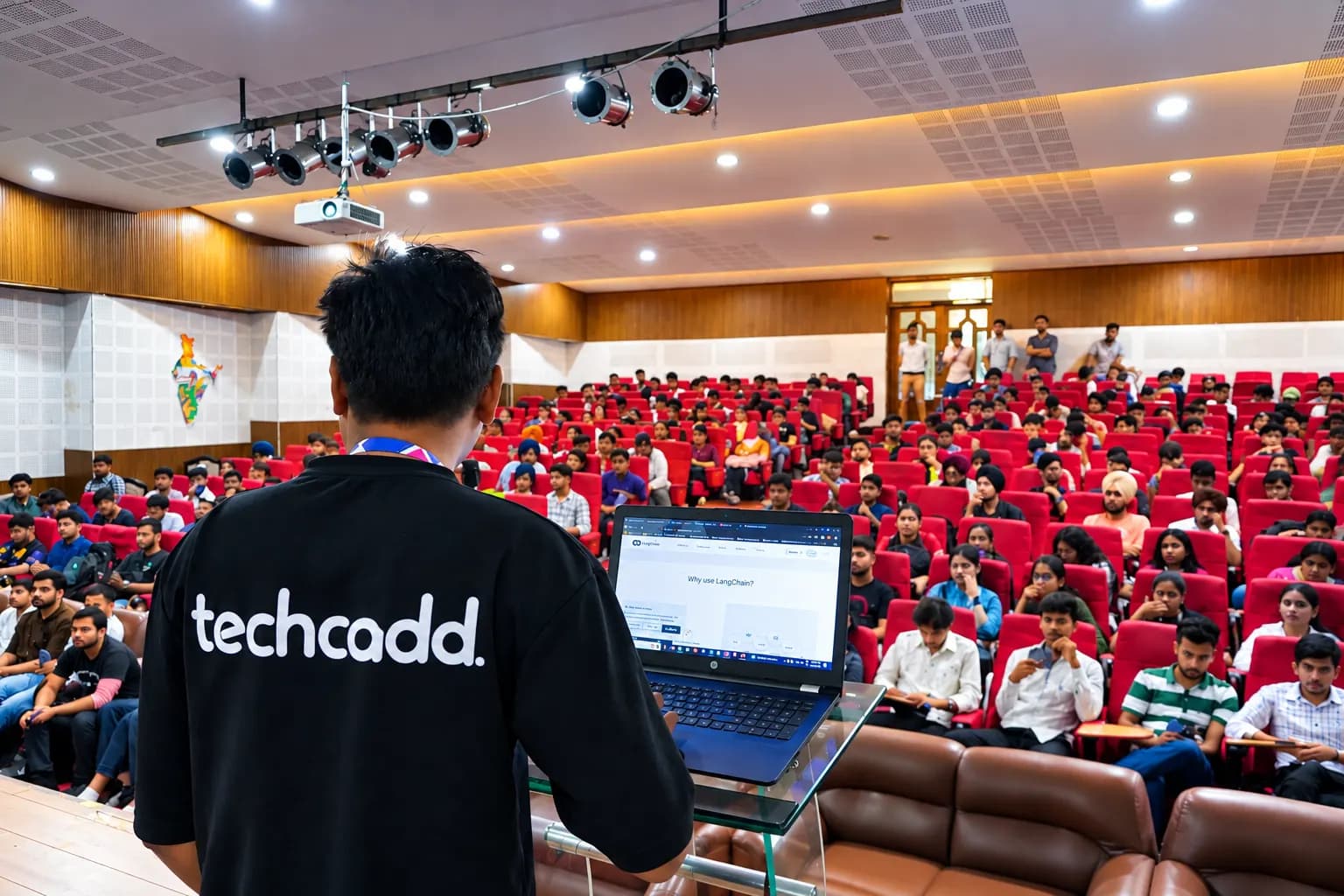
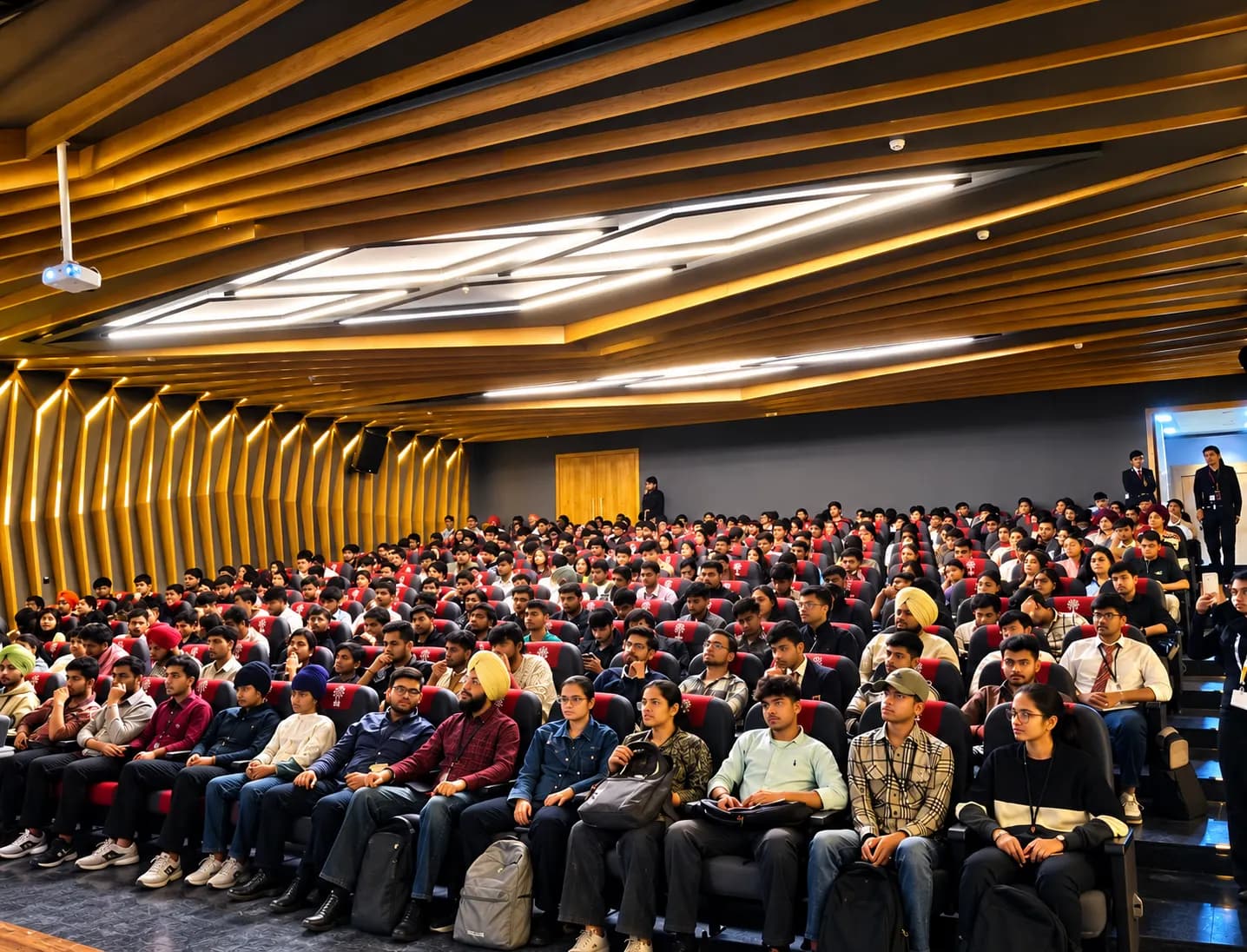
Technology evolves quickly, and students benefit from opportunities to explore emerging tools and industry applications beyond their regular coursework.
techcadd can collaborate with colleges to conduct expert-led sessions, technical seminars and hands-on workshops covering relevant subjects such as:
Workshop subjects
- Artificial Intelligence and Generative AI
- AI tools and emerging technology applications
- Data Science and Data Analytics
- Cybersecurity and ethical digital practices
- Programming and Software Development
- Web Development and Full Stack Technologies
- Cloud Computing and DevOps
- Digital Marketing and Search Engine Optimisation
- Creative technologies and digital design
Sessions can be adapted to the participating department, student level, learning objectives and available time.
- 03 / 07
Campus Placement Drives and Career Readiness
A successful transition from education to employment requires preparation, communication and an understanding of recruitment expectations.
techcadd can collaborate with institutional Training & Placement cells to explore campus recruitment activities and pre-placement initiatives.
Possible activities
- Pre-placement talks and company introductions
- Aptitude and technical preparation
- Resume and portfolio guidance
- Interview preparation
- Employer interaction and recruitment drives
- Communication and professional-readiness sessions
- Sharing relevant job descriptions and eligibility criteria
- Feedback and coordination throughout agreed recruitment activities
Recruitment participation depends on available opportunities, employer requirements and candidate eligibility. Placement assistance and recruitment activities do not constitute a guarantee of employment.
- 04 / 07
Faculty Development and Industry Interaction
Faculty members play an essential role in preparing students for professional careers. Continued engagement with industry practices can help academic teams explore evolving tools, workflows and technical requirements.
Through mutually planned initiatives, techcadd can support:
Faculty initiatives
- Expert sessions for teaching staff
- Industry-oriented workshops
- Discussions on emerging technology trends
- Practical demonstrations of relevant tools
- Knowledge-sharing around current development practices
- Dialogue on curriculum relevance and skill requirements
The aim is to strengthen the connection between academic delivery and practical applications while respecting each institution's curriculum and academic responsibilities.
- 05 / 07
Industrial Visits and Workplace Exposure
Where feasible and mutually approved, industrial visits and guided interactions can help students understand professional environments, technology workflows, team responsibilities and workplace expectations.
These activities may introduce students to the practical context behind the concepts they study and encourage more informed career decisions.
All visits are subject to operational availability, safety requirements, institutional approval and agreed arrangements.
- 06 / 07
Collaborative Projects, Hackathons and Innovation Initiatives
Students benefit from opportunities to apply their knowledge to challenges that require research, collaboration, creativity and technical execution.
techcadd and participating institutions can explore collaborative initiatives such as:
Collaborative initiatives
- Technical bootcamps
- Hackathons and student competitions
- Capstone and project-based learning
- Collaborative certification programmes
- Technology demonstrations and innovation sessions
- Consultancy or problem-solving projects, where mutually agreed
- Mentorship for student-led technology initiatives
- Digital, social and technology-oriented projects of mutual interest
The scope, supervision, intellectual property arrangements and expected deliverables should be agreed upon before a collaborative project begins.
- 07 / 07
Certification and Student Assessment
Where included in an agreed programme, techcadd can provide structured learning activities, performance assessment, feedback and completion certificates for students who fulfil the applicable requirements.
The programme design may include:
Programme design
- Defined learning objectives
- Practical exercises and project submissions
- Mentor-led guidance
- Performance reviews and feedback
- Attendance or participation requirements
- Completion criteria and certificate issuance
Certificates are issued according to the agreed programme requirements and successful completion criteria. Any academic credit, university recognition or external accreditation must be confirmed separately with the relevant institution or authority.
How it works
The techcadd–College Collaboration Framework
Our partnership approach is built around shared responsibilities and clear communication.
- 01
Step 1
Understand the Institution's Needs
We begin by discussing the institution's departments, student groups, academic calendar, skill-development objectives and intended outcomes.
- 02
Step 2
Define the Programme
The scope, duration, delivery mode, training content, assessment requirements, responsibilities and applicable costs are discussed and documented.
- 03
Step 3
Agree on the Collaboration
Where both parties decide to proceed, the proposed activities and commitments are formalised through an appropriate agreement or Memorandum of Understanding (MoU).
- 04
Step 4
Deliver the Agreed Activities
The institution and techcadd coordinate the programme, student participation, training arrangements, faculty interaction and operational requirements.
- 05
Step 5
Review Progress and Outcomes
Both parties can review participation, student feedback, project progress and programme outcomes to identify opportunities for improvement and future collaboration.
This structured approach supports transparency and helps ensure that expectations are established before activities begin.
Memorandum of Understanding
A Framework for Collaboration
An MoU can provide a formal framework for collaboration between techcadd and an educational institution. Its purpose is to establish shared objectives, responsibilities and the scope of agreed initiatives.
The final provisions depend on the MoU signed by both parties. An MoU does not, by itself, guarantee internships, employment, funding or academic credit unless those commitments are explicitly agreed upon in the relevant terms.
Depending on the institution's requirements and the final agreement, an MoU may cover:
- 01Industry–institute collaboration for skill development
- 02Six-week internships and six-month industrial training
- 03Student mentorship, practical projects and performance feedback
- 04Guest lectures, seminars and technical workshops
- 05Campus recruitment and placement-related activities
- 06Faculty–industry interaction
- 07Industrial visits and workplace exposure
- 08Collaborative certification programmes, hackathons and technical bootcamps
- 09Innovation, consultancy and mutually agreed projects
- 10Coordination, progress reviews and continuous improvement
- 11Confidentiality and responsible handling of shared information
- 12Agreement duration, termination and dispute-resolution procedures
Institutions we work with
Institutional Collaboration and Academic Engagement
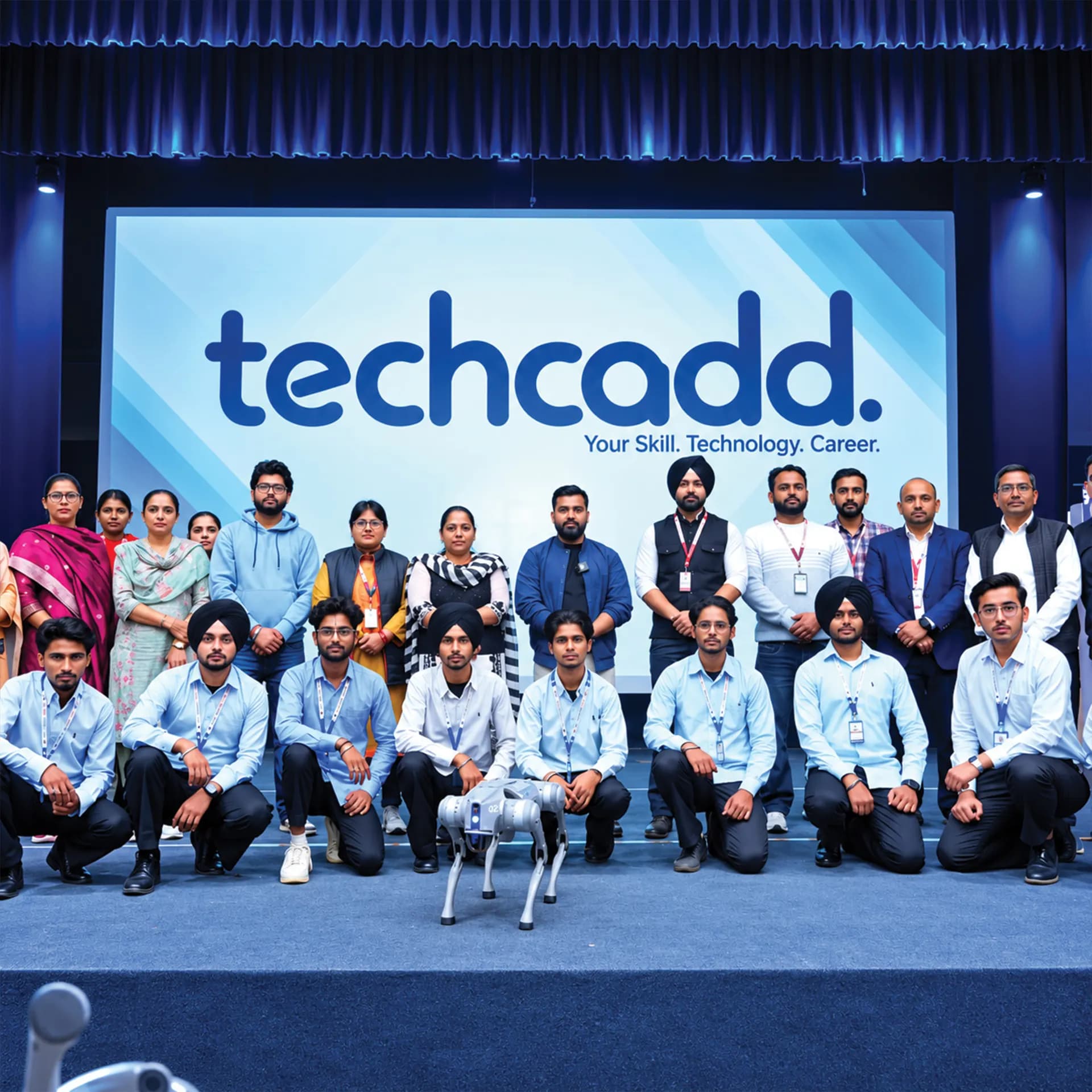
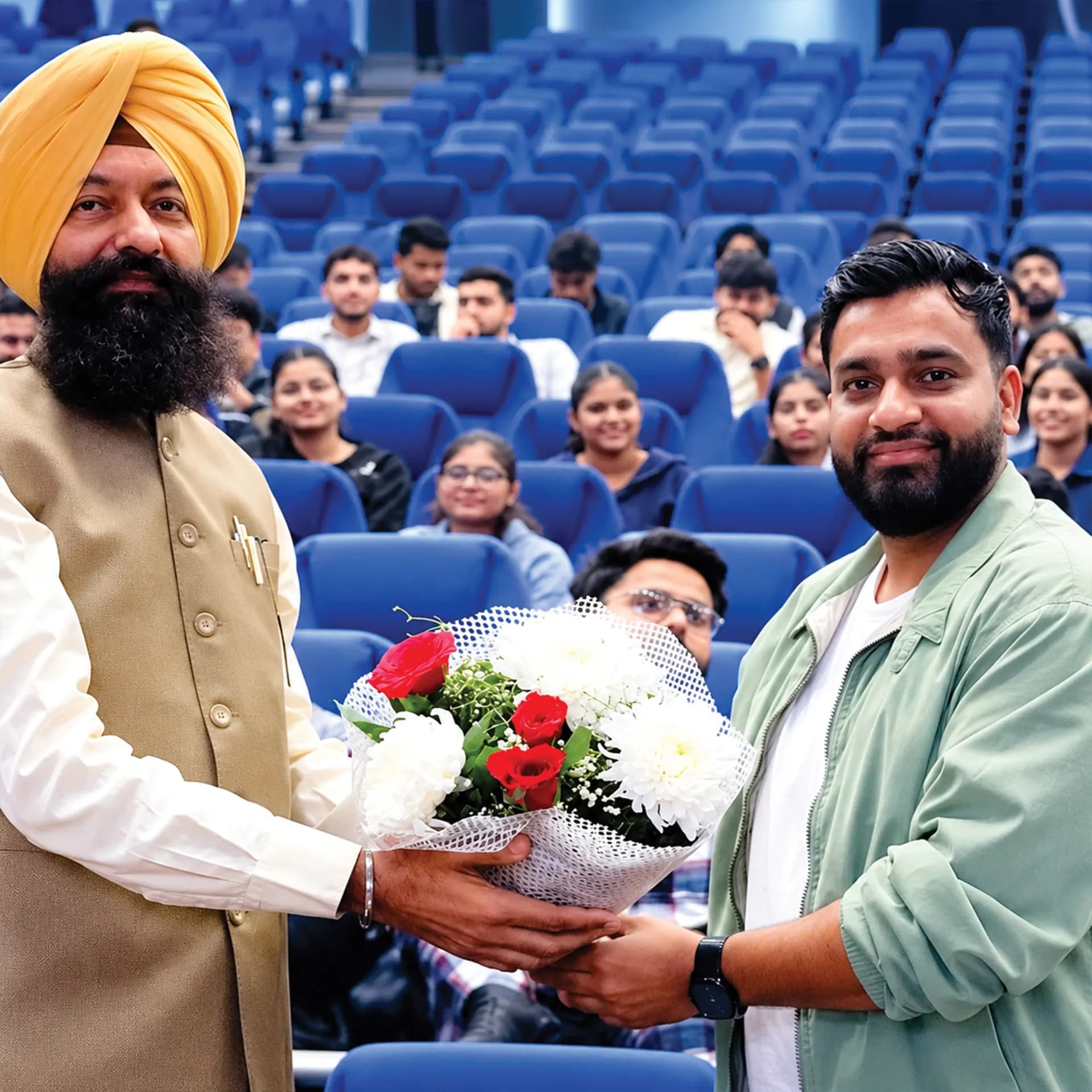
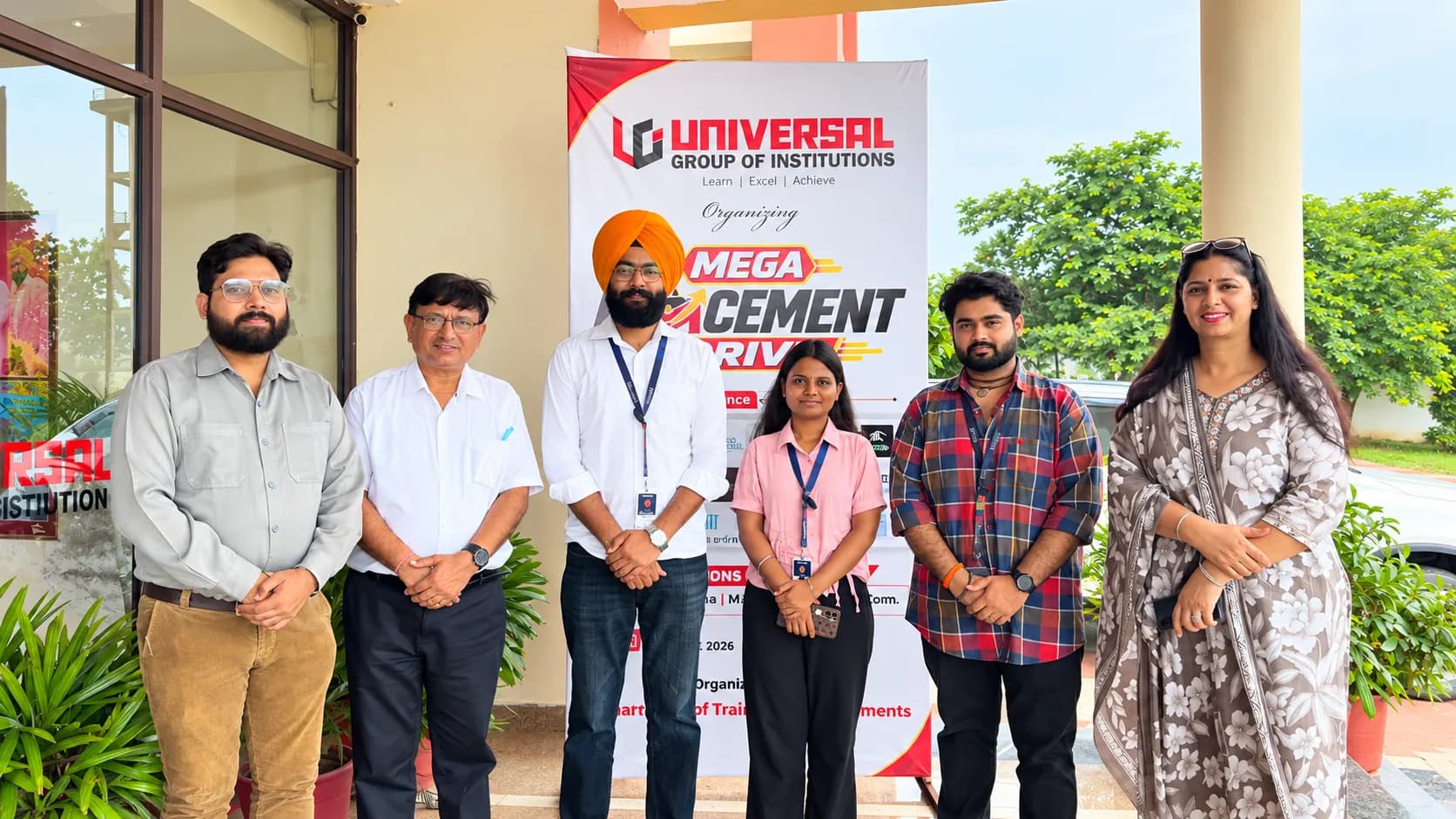
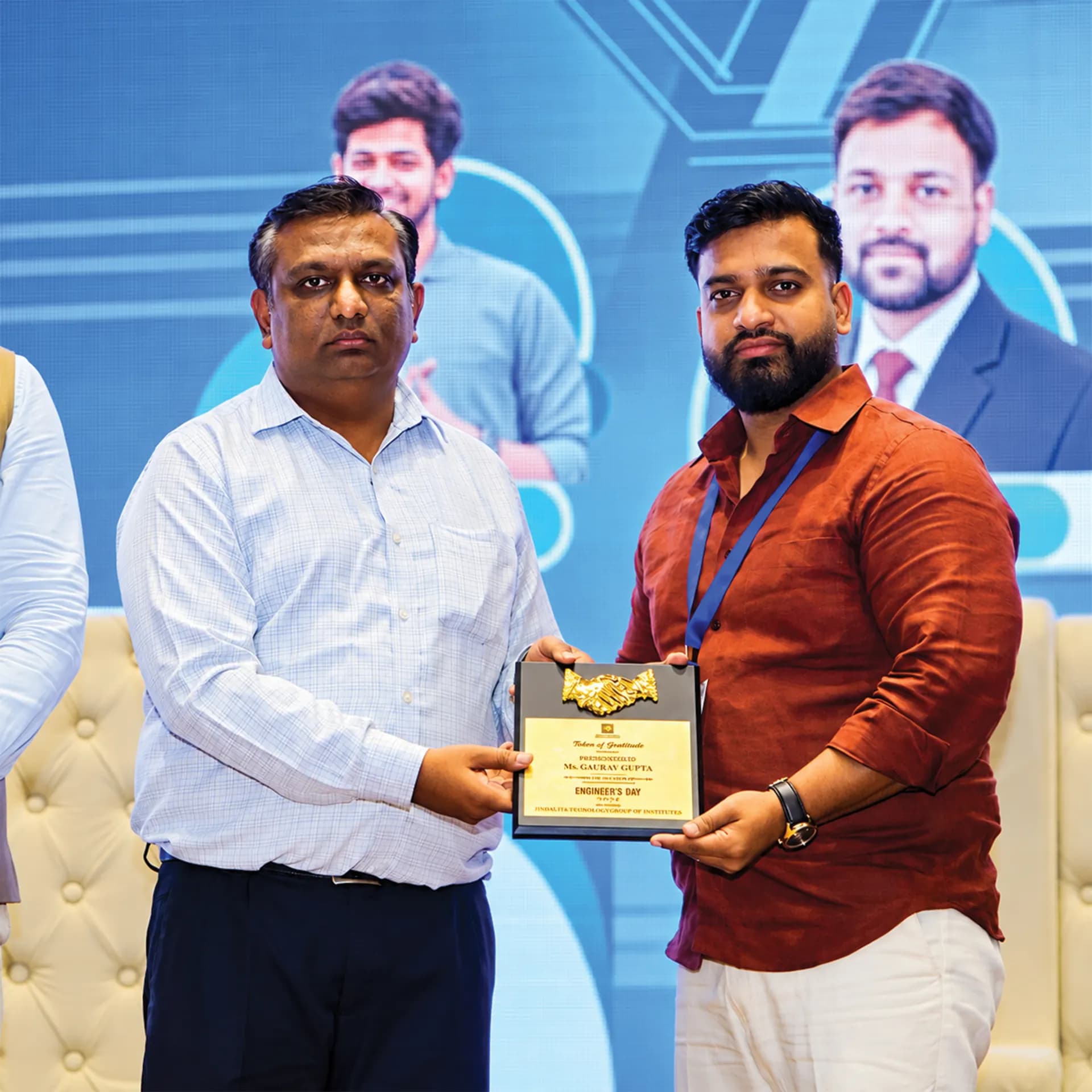
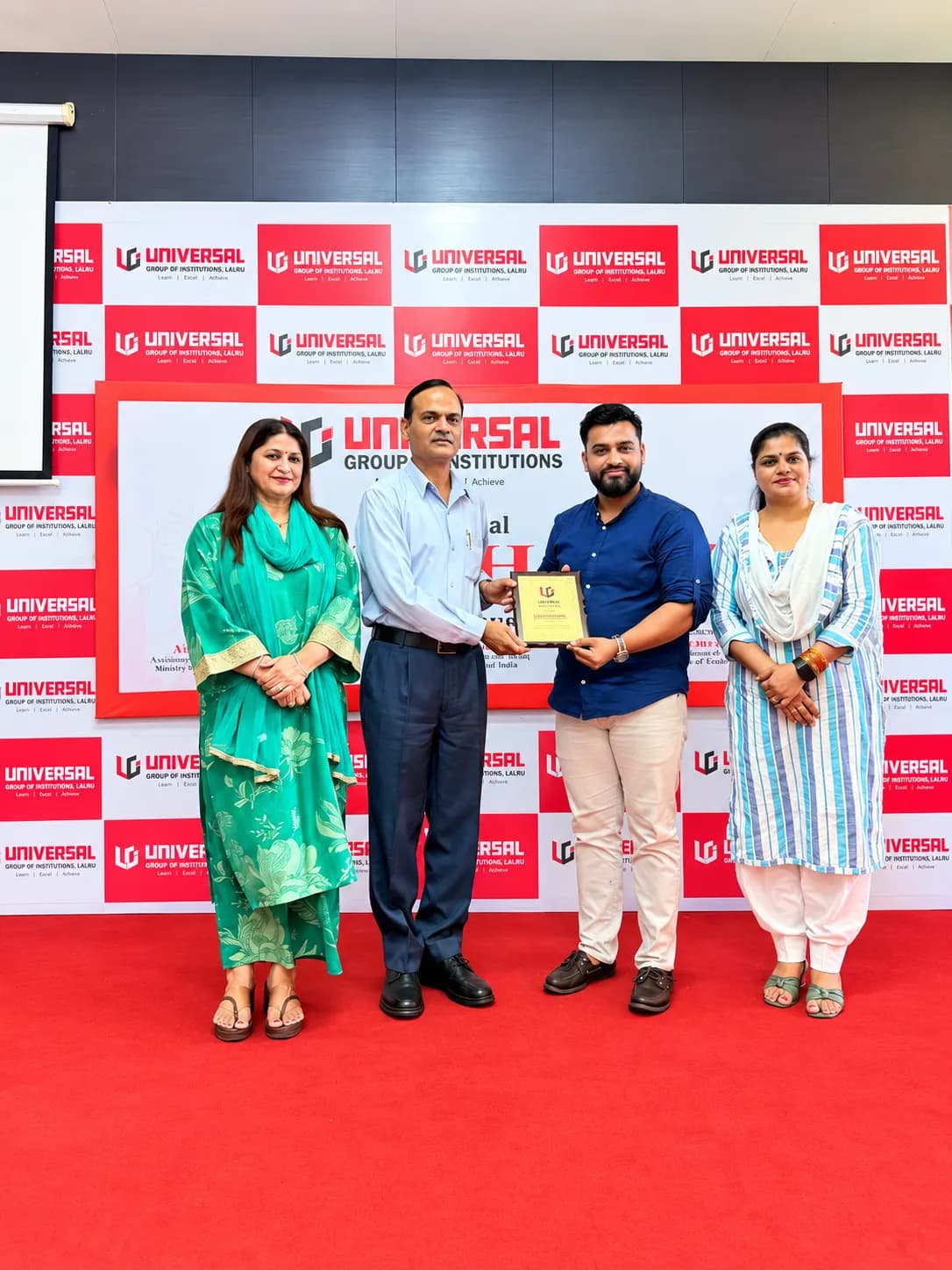
techcadd values meaningful engagement with educational institutions across Punjab and neighbouring regions. Through workshops, technical sessions, training initiatives and institutional discussions, we aim to support opportunities for students to explore practical applications of their education.
 Chitkara UniversityPunjab
 Chandigarh UniversityGharuan, Mohali
 Shree Hanumat Institute of Management and TechnologyPhagwara
 Guru Nanak Dev Engineering CollegeLudhiana
 Lovely Professional UniversityPhagwara
 GNA UniversityPhagwara
 Chandigarh Group of CollegesLandran
 I.K. Gujral Punjab Technical UniversityKapurthala
 Guru Nanak Dev UniversityAmritsar
 RIMT UniversityMandi Gobindgarh
 Sant Baba Bhag Singh UniversityKhiala, Jalandhar
 CT UniversityLudhiana
 Shoolini UniversitySolan
 PCTE Group of InstitutesLudhiana
 NIT JalandharJalandhar
 Graphic Era Hill UniversityDehradun
The nature and scope of engagement can differ by institution and activity. We believe that long-term academic collaboration is built through clear commitments, meaningful learning activities and regular communication—not simply through displaying institutional names.

Ms. Asmita Sehgal
Senior Manager, techcadd
Meet Ms. Asmita Sehgal
Connecting Colleges with Industry
Institutional Collaboration Through Leadership, Communication and Trust
Strong college partnerships require more than a signed agreement. They depend on understanding academic priorities, coordinating people and programmes, maintaining communication and helping both sides work towards shared objectives.
Ms. Asmita Sehgal, Senior Manager, techcadd, plays an important role in institutional engagement, serving as a key link between techcadd and its partner colleges. Her role connects institutional discussions with programme coordination, student-development initiatives and opportunities for collaboration between academia and industry.
From initial conversations with college representatives to coordinating proposed workshops, training initiatives and institutional activities, this relationship-focused approach helps bring academic requirements and practical skill-development opportunities into alignment. Her work reflects the importance of communication, coordination, relationship management and collaborative leadership in building sustainable institutional partnerships.
Women Empowering the Future of Education and Industry
At techcadd, women's participation in management and marketing is an important part of building a more inclusive professional environment. Ms. Sehgal's role highlights how women contribute to institutional relationships, strategic coordination, business development and the expansion of educational opportunities.
Her example reinforces a broader principle: leadership is not defined by a job title alone. It is demonstrated through responsibility, the ability to build trust, the confidence to take initiative and the commitment to help others progress.
By recognising women's contributions across management, institutional engagement and marketing, techcadd seeks to encourage an environment where talent, capability and leadership can develop without being limited by gender stereotypes.
A Thought from Ms. Asmita Sehgal
“When education meets opportunity, potential becomes progress. And when women are trusted to lead, they do more than open doors—they help create a future where more people can walk through them.”
Why techcadd
Why Colleges Choose to Explore Collaboration with techcadd
A useful institutional partnership should be aligned with the college's academic priorities and the needs of its students. Through agreed programmes, techcadd aims to offer institutions the following.
The specific activities, resources and deliverables depend on the agreement between the institution and techcadd.
- Access to industry-oriented training initiatives
- Opportunities for students to apply academic concepts
- Expert-led technical sessions and workshops
- Structured internship and industrial-training options
- Support for placement-readiness initiatives
- Opportunities for faculty-industry engagement
- Collaborative projects and innovation activities
- A framework for reviewing and improving programme outcomes
Partner with us
Let's Build a Stronger Industry–Academia Connection
Whether your institution is planning industrial training for a student cohort, a technical workshop, a faculty development session, a campus recruitment initiative or a broader academic collaboration, techcadd welcomes a conversation about your requirements.
We encourage college principals, placement officers, Heads of Departments, faculty coordinators and institutional management teams to connect with us to explore a suitable collaboration model.
Discuss Your College Partnership with techcadd
Share your institution's name, department, expected student participation, preferred programme and academic timeline. Our team can use this information to discuss the next steps and prepare a proposal for consideration.
- Contact
- Ms. Asmita SehgalSenior Manager, techcadd
- Asmita Sehgal
techcadd — Your Skill & Technology Partner.
Connecting education, practical skills and industry opportunities.